Japanese Miso Soup
A traditional Japanese miso soup made with a simple homemade dashi broth, white miso, silken tofu, and wakame. Light, warming, and ready in under 20 minutes.
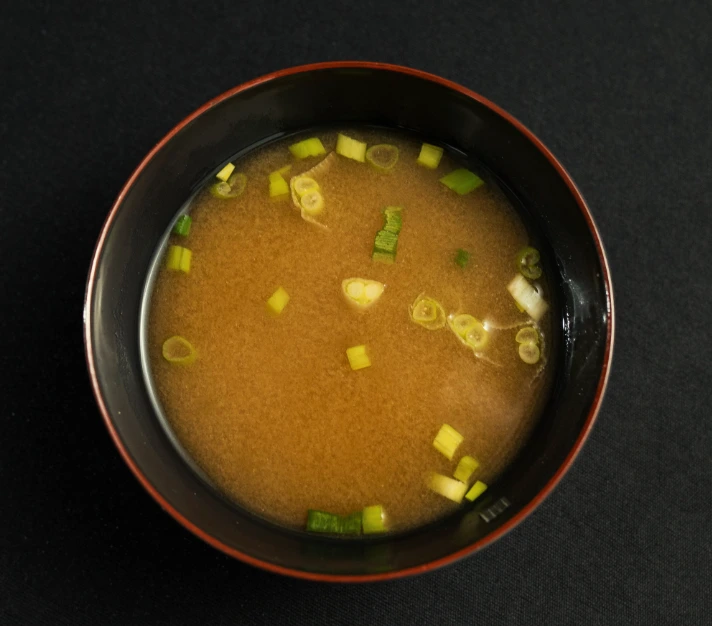
Miso soup is one of those dishes that is so simple it is easy to underestimate. The ingredient list is short, the method takes under twenty minutes, and the result is a soup that is deeply savory, gently warming, and light enough to serve alongside almost anything. In Japan it appears at nearly every meal – breakfast, lunch, and dinner – not because it is special occasion food, but because it is everyday food done exceptionally well.
The foundation is dashi, a broth made by steeping dried kombu (kelp) in cold water and then briefly simmering bonito flakes. This is not complicated, but it is different from any Western stock-making you may have done before. Dashi is not cooked for hours – the kombu is removed before the water boils, and the bonito flakes steep for just a few minutes before being strained out. The resulting broth is pale, clear, and has a clean, ocean-tinged umami that is the flavor base of an enormous amount of Japanese cooking. It cannot really be substituted for with vegetable or chicken broth – they taste too different. Instant dashi powder (available at Asian grocery stores) is a reasonable shortcut and produces a good result.
The miso paste goes in at the very end and must never boil. This is the most important rule in the recipe. Boiling miso changes its flavor from rounded and savory to sharp and flat, and it destroys the beneficial bacteria the fermentation process created. The correct method is to take the pot off the heat, dissolve the miso paste into a small ladle of hot broth, stir that back into the pot, and serve immediately. Once the miso is in, the soup does not go back on the heat.
White miso (shiro miso) is the mildest and sweetest option and is the easiest starting point. Red miso (aka miso) is stronger, saltier, and more fermented – excellent but more assertive. A mix of both is what many Japanese home cooks use. Start with white miso if you are new to it and adjust from there.
Silken tofu and dried wakame are the classic additions, but miso soup is flexible. Thinly sliced mushrooms, daikon, corn, or even clams are all traditional in different regions of Japan. If you enjoy clean, broth-forward soups, our Japanese Ramen Soup is a natural next step – and for a lighter Western equivalent with the same simplicity, our Homemade Chicken Noodle Soup is worth keeping in the same rotation.
Ingredients for Japanese Miso Soup
- For the dashi broth:
- 1.5 liters (6 cups) cold water
- 15g dried kombu (kelp)
- 30g katsuobushi (bonito flakes)
- For the soup:
- 90-100g (6 tablespoons) white miso paste (shiro miso), or to taste
- 300g silken or soft tofu, cut into 2cm cubes
- 10g dried wakame seaweed
- 4 green onions (scallions), thinly sliced
How to Make Japanese Miso Soup
-
1
Place the kombu and cold water in a medium saucepan. Let it soak for at least 10 minutes at room temperature - this draws out its flavor without bitterness.
-
2
Place the pot over medium heat. Slowly bring to a temperature just below boiling (about 60-70°C / 140-160°F), watching carefully. Remove the kombu just before the water begins to boil - do not let it boil with the kombu in, as this makes the broth bitter and slimy.
-
3
Bring the water to a full boil (100°C / 212°F), then turn off the heat. Add the bonito flakes and let them steep undisturbed for 3-4 minutes.
-
4
Strain the broth through a fine mesh sieve into a clean pot, pressing gently on the bonito flakes to extract the liquid. Discard the solids. This is your dashi.
-
5
Place the dried wakame in a small bowl of cold water and let it rehydrate for 5 minutes. Drain and set aside.
-
6
Return the dashi to medium heat and bring it to a gentle simmer (about 90°C / 195°F). Add the tofu cubes and warm through for 2 minutes.
-
7
Remove the pot from the heat. Place the miso paste in a small ladle or bowl, add 2-3 tablespoons of hot dashi, and whisk until the miso is fully dissolved and smooth. Stir the dissolved miso back into the pot. Do not return the soup to the heat after this point.
-
8
Divide the wakame and tofu among 6 bowls. Ladle the hot miso broth over the top.
-
9
Garnish with sliced green onions and serve immediately.
Nutrition (per serving)
- Carbs 7g · 35%
- Protein 6g · 30%
- Fat 3g · 34%
Tips & FAQ
What type of miso paste should I use?
Why must the miso never boil?
Can I use instant dashi instead of making it from scratch?
What other ingredients can I add?
How long does miso soup keep?
More Soups

Homemade Meatball Soup with Potatoes and Fresh Dill
A hearty, clear-broth meatball soup with tender beef meatballs, potato chunks, carrots, and a generous handful of fresh dill. Simple, comforting, and ready in just over an hour.

Ukrainian Homemade Borscht Soup with Sour Cream
Classic Ukrainian borscht made with beef on the bone, beets, cabbage, potatoes, and a proper vegetable sauté that keeps the broth that deep crimson red. Served with sour cream and fresh parsley.

Spanish Salmorejo Cold Tomato Soup
Salmorejo is a thick, silky Spanish cold tomato soup from Córdoba made with just ripe tomatoes, bread, garlic, and olive oil, then topped with jamón serrano and hard-boiled egg. No cooking required.
Related searches