Classic Red Velvet Cake
Three layers of deeply crimson, impossibly tender sponge with a subtle cocoa undertone, filled and frosted with classic tangy cream cheese frosting. One of the most dramatic cakes you can make, and one of the most rewarding.
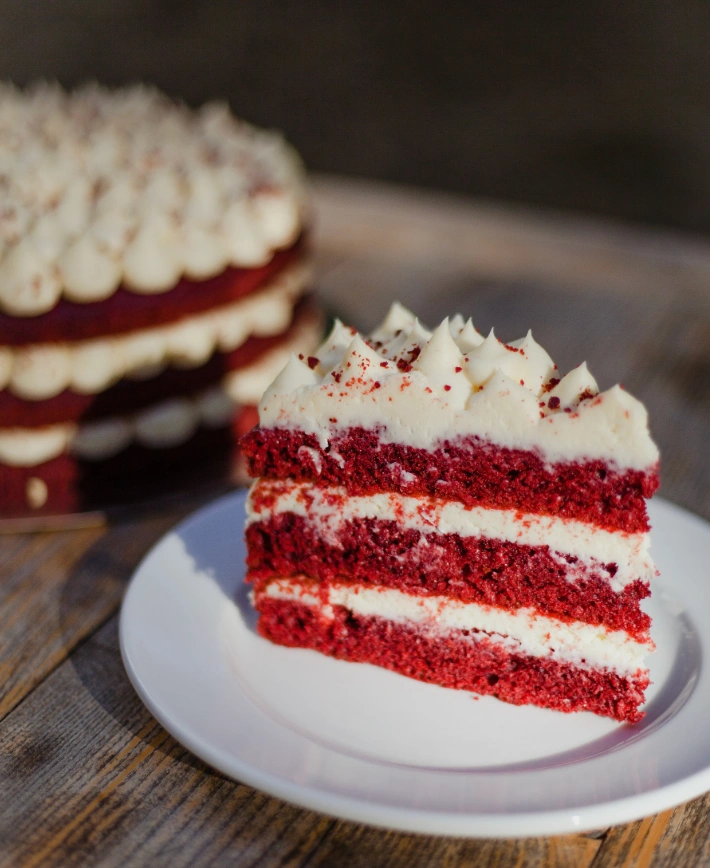
Red velvet cake is one of those recipes with a genuine mythology around it – stories about its Depression-era origins, its Southern roots, the Waldorf-Astoria legend. What matters more than where it came from, though, is what makes it work: a fine, velvety crumb produced by the reaction between buttermilk, vinegar, and bicarbonate of soda; a subtle cocoa flavour that is present but never dominant; and a colour so vivid that slicing into it feels like a small occasion every time.
The red colour originally came from the anthocyanins in natural cocoa reacting with the acid in buttermilk, producing a reddish-brown hue that bakers then amplified with added colouring. Most modern recipes skip the chemistry and add red food colouring directly, which is reliable and consistent. If you want to avoid artificial colouring, beet powder works as a substitute – it produces a more muted, dusty rose rather than vivid red, but the flavour is otherwise the same.
The texture of red velvet is its real distinction. Buttermilk and oil (rather than butter) keep the crumb exceptionally tender and moist, and the vinegar reacts with the bicarbonate to give the cake a fine, even rise. The cocoa in the batter is intentionally restrained – just enough to round out the sweetness and add a little depth without tipping the cake into chocolate territory. Do not be tempted to increase the cocoa; this is not a chocolate cake with red food colouring, and treating it as one changes the result entirely.
Cream cheese frosting is the only frosting that belongs on a red velvet cake. The tang of the cream cheese cuts through the sweetness of the sponge in exactly the right way, and the contrast between the white frosting and the red crumb is part of the whole point. This recipe makes enough frosting to fill the layers generously and coat the outside. You can do a smooth finish, pipe rosettes around the top edge, and dust with dried cake crumbs for a classic presentation.
A practical swap: if you cannot find buttermilk, make a quick substitute by combining 240ml of whole milk with 1 tablespoon of white wine vinegar, stirring briefly and leaving it for 5 minutes until it curdles slightly. It is not identical but works reliably in this recipe.
The most common mistake is overbaking. Red velvet sponge is a fine-crumbed, relatively delicate cake, and a few extra minutes in the oven dry it out noticeably. Check at 25 minutes: the toothpick should come out clean and the layers should spring back gently when pressed. Pull them as soon as that test is met, not a minute after.
If you are in the mood for dramatic cakes, try German Chocolate Cake next for the same deep flavour with a coconut-pecan frosting – or Hershey’s Chocolate Cake for the unfussy, pure chocolate version.
Ingredients for Classic Red Velvet Cake
- Cake layers:
- 300g (2 1/2 cups) all-purpose flour
- 2 tablespoons unsweetened cocoa powder
- 1 1/2 teaspoons baking powder
- 1 teaspoon baking soda
- 1/2 teaspoon fine salt
- 2 large eggs
- 300g (1 1/2 cups) granulated sugar
- 240ml (1 cup) neutral oil (sunflower or vegetable)
- 240ml (1 cup) buttermilk, at room temperature
- 1 teaspoon white wine vinegar
- 2 teaspoons vanilla extract
- 2 tablespoons red food colouring gel (or 3 tablespoons liquid)
- Cream cheese frosting:
- 500g (18 oz) full-fat cream cheese, at room temperature
- 150g (2/3 cup) unsalted butter, at room temperature
- 350g (3 cups) powdered sugar, sifted
- 1 1/2 teaspoons vanilla extract
- Pinch of fine salt
How to Make Classic Red Velvet Cake
-
1
Preheat the oven to 175C (350F). Grease three 20cm (8-inch) round cake tins and line the bases with parchment paper.
-
2
In a bowl, whisk together the flour, cocoa powder, baking powder, baking soda, and salt until evenly combined.
-
3
In a large separate bowl, whisk the eggs and granulated sugar together until pale and slightly thickened, about 1 minute.
-
4
Add the oil, buttermilk, vinegar, vanilla, and food colouring to the egg mixture and whisk until smooth and evenly combined - the batter will be a deep, vivid red.
-
5
Add the dry ingredients to the wet ingredients and fold with a spatula until just combined. Do not overmix.
-
6
Divide the batter evenly between the three prepared tins and smooth the tops.
-
7
Bake for 25 to 30 minutes, until a toothpick inserted in the center comes out clean and the layers spring back gently when pressed. Do not overbake.
-
8
Leave to cool in the tins for 10 minutes, then turn out onto wire racks and cool completely before frosting.
-
9
Make the frosting: beat the cream cheese and butter together on medium speed for 2 to 3 minutes until smooth and fluffy. Add the sifted powdered sugar, vanilla, and salt and beat on low until incorporated, then increase to medium and beat for 1 to 2 minutes until smooth and creamy.
-
10
Place the first cake layer on a serving plate or cake board. Spread a generous, even layer of frosting over the top. Place the second layer on top and repeat. Add the third layer.
-
11
Apply frosting around the sides and over the top of the cake. For a decorative finish, pipe rosettes around the top edge and dust lightly with dried cake crumbs.
-
12
Refrigerate for at least 30 minutes before slicing to allow the frosting to set. Serve at room temperature.
Nutrition (per serving)
- Carbs 68g · 50%
- Protein 6g · 4%
- Fat 28g · 46%
Tips & FAQ
Why is my red velvet cake not very red?
What does the cocoa do if the cake is supposed to taste like vanilla?
Why does this cake need buttermilk?
Can I make my own buttermilk?
What is the difference between cream cheese frosting and ermine frosting for red velvet?
More Cakes
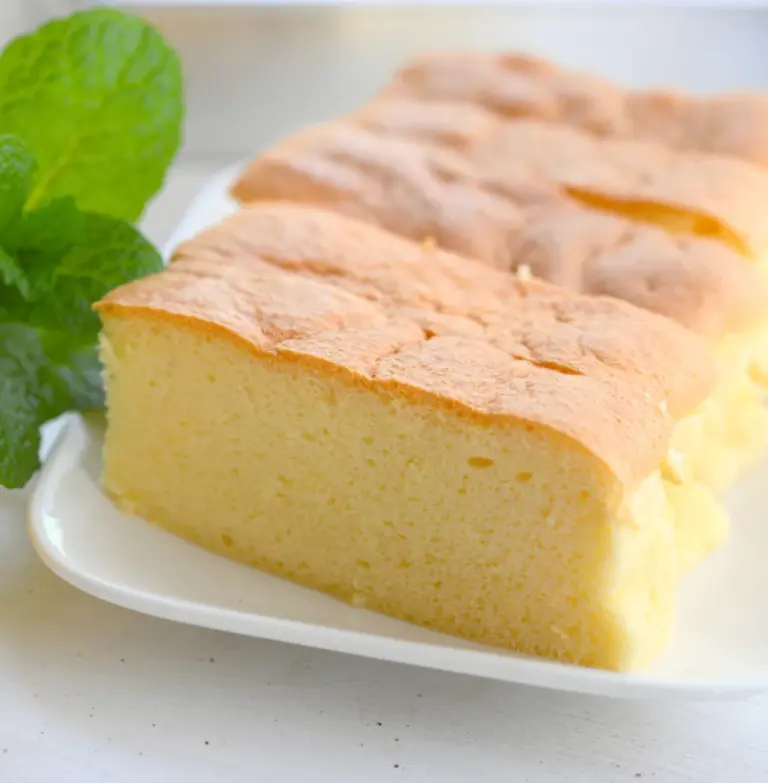
Taiwanese Souffle Castella Cake
A soft, impossibly jiggly Taiwanese castella cake made with a butter-milk base, four eggs, and a soft meringue. Baked low and slow in a water bath for a cloud-like crumb with zero dryness.
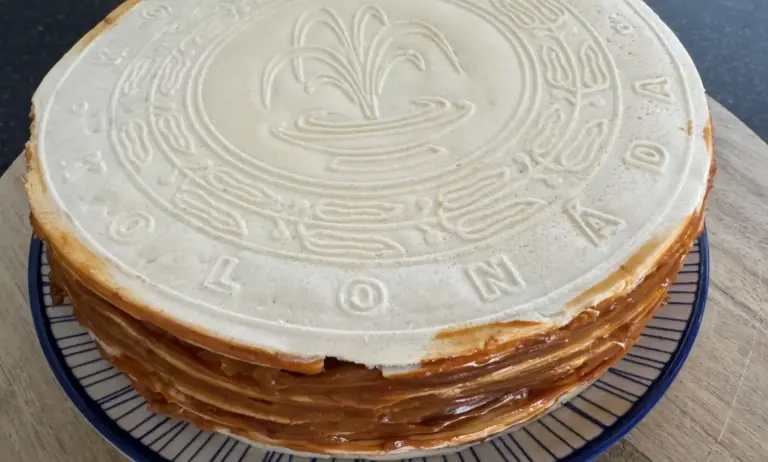
Czech Hazelnut Wafer Cake (Oplatky)
A no-bake Czech classic made with Kolonáda spa hazelnut wafers, mascarpone, dulce de leche, and walnuts. Stack, chill, and slice - the layers soften into something rich and quietly addictive.
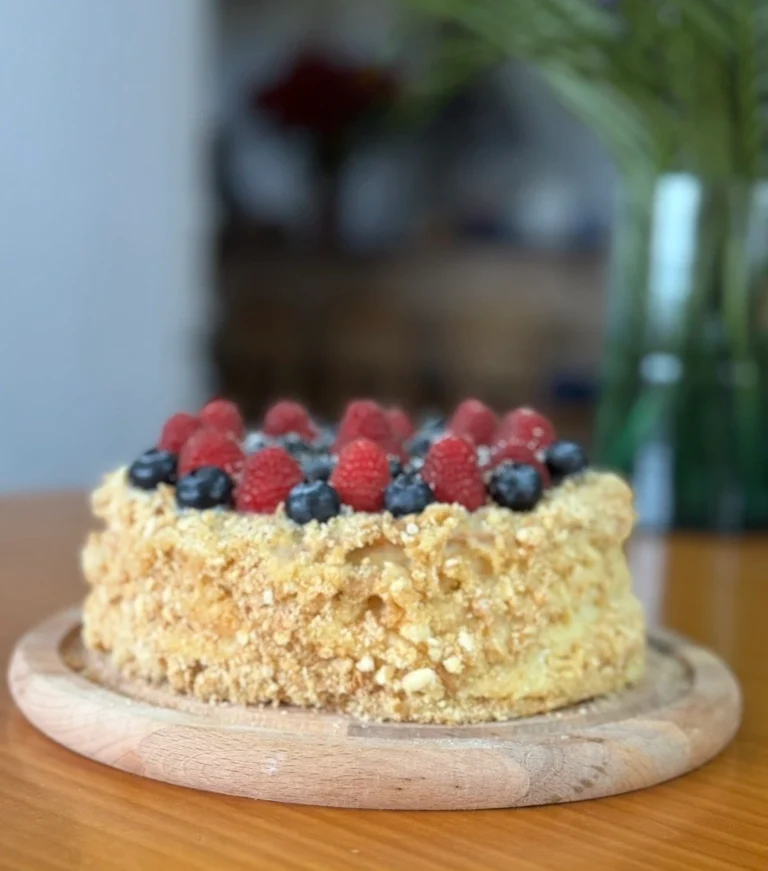
Classic Napoleon Cake (Mille-Feuille)
Dozens of paper-thin, flaky pastry layers soaked overnight in silky vanilla custard - this is the Napoleon cake from every Ukrainian grandmother's recipe box, always made the day before and always worth the wait.
Related searches