Classic Victoria Sponge Cake
The great British classic - two golden butter sponge layers sandwiched with strawberry jam and softly whipped cream, dusted with powdered sugar. Simple, reliable, and better than it has any right to be.
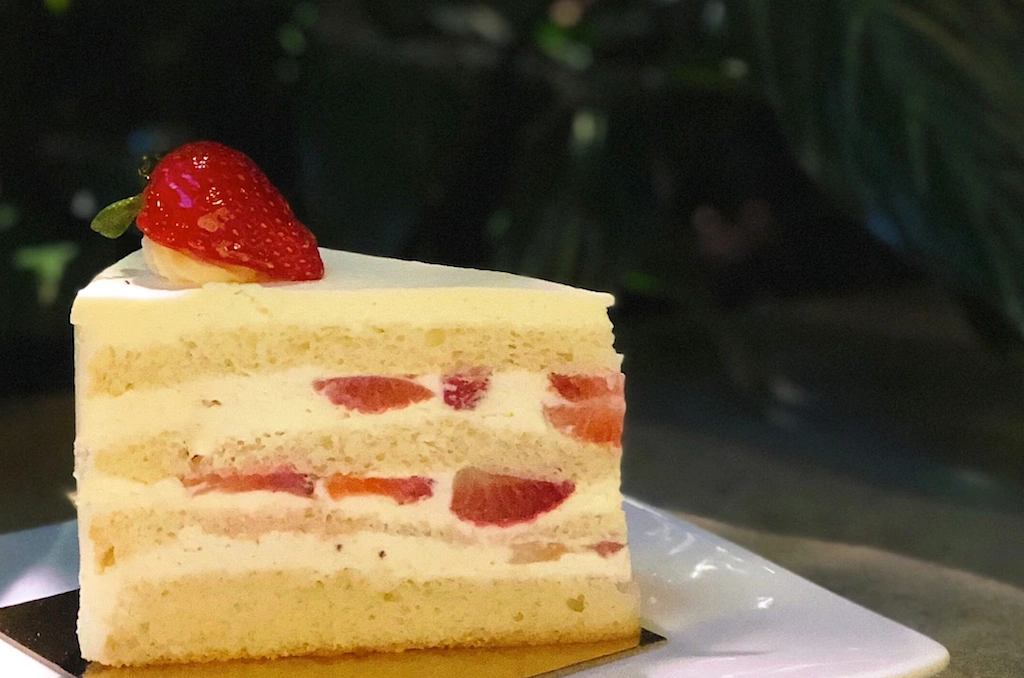
The Victoria sponge is named after Queen Victoria, who is said to have enjoyed a slice with her afternoon tea. It is one of those cakes that British baking competitions and Women’s Institute judges have been testing for generations, and the standard is simple and uncompromising: the sponge should be light and even, the jam should be good, and the whole thing should hold together when sliced without collapsing. No buttercream swirled in elaborate peaks, no ganache, no decoration beyond a dusting of powdered sugar. The restraint is the point.
The sponge is made by the creaming method: butter and sugar beaten together until pale and fluffy, then eggs added gradually, then flour folded in gently. The ratio is the classic equal weights formula – equal parts butter, sugar, flour, and eggs – which produces a consistent, reliable result every time you use it. For a two-layer 20cm cake, that means 225g of each. The formula scales easily; if you want a larger cake, increase all four by the same proportion.
Room-temperature ingredients are not optional here. Cold butter will not cream properly and produces a dense batter that bakes unevenly. Cold eggs added to creamed butter can cause the mixture to curdle, which results in a slightly coarser crumb. Take the butter and eggs out of the fridge at least an hour before baking – even thirty minutes helps significantly.
The jam layer is traditionally strawberry, which is also the most popular choice. A good-quality jam with real strawberry flavour and a slightly tart edge makes a noticeable difference; a jam that is mostly sugar and pectin produces a very sweet, flat filling that does not complement the plain sponge well. Raspberry jam is an excellent alternative with a slightly sharper flavour. The cream should be whipped to soft peaks – not stiff, not liquid – so it holds up when the top layer goes on but stays light and spoonable.
A swap worth knowing: replace 25g of the flour with cornstarch for a slightly more tender, finer crumb. A teaspoon of vanilla extract added to the batter is not traditional but not wrong either, and gives a faintly warmer flavour that works well with the strawberry filling.
The most common mistake is overbaking. The sponge should be just pulling away from the sides of the tin and spring back when lightly pressed in the center. An overbaked Victoria sponge is dry, and no amount of jam or cream can fix that once it has happened. Check at 22 minutes and add time only if needed.
If you love the restraint of a Victoria sponge, try Berry Chantilly Cake for a similar approach with more cream and berries – or Cloud Cake if you want something you can make and eat the same afternoon.
Ingredients for Classic Victoria Sponge Cake
- Sponge:
- 225g (1 cup) unsalted butter, at room temperature
- 225g (1 cup + 2 tablespoons) caster or granulated sugar
- 4 large eggs, at room temperature
- 225g (1 3/4 cups) self-raising flour (or all-purpose flour + 2 teaspoons baking powder)
- 1/4 teaspoon fine salt
- 2 tablespoons whole milk
- Filling:
- 4 tablespoons good-quality strawberry jam
- 240ml (1 cup) heavy whipping cream
- 1 tablespoon powdered sugar
- 150g (1 cup) fresh strawberries, hulled and sliced
- To finish:
- 2 tablespoons powdered sugar, for dusting
How to Make Classic Victoria Sponge Cake
-
1
Preheat the oven to 180C (350F). Grease two 20cm (8-inch) round cake tins and line the bases with parchment paper.
-
2
Beat the butter and sugar together on medium-high speed for 4 to 5 minutes until very pale, light, and fluffy. Scrape down the sides of the bowl regularly.
-
3
Add the eggs one at a time, beating well after each addition. If the mixture begins to look curdled, add a tablespoon of the flour and beat again to bring it back together.
-
4
Sift the flour and salt over the mixture and fold gently with a large spatula until just combined. Add the milk and fold again until the batter is smooth and falls from the spatula in a slow ribbon.
-
5
Divide the batter evenly between the two prepared tins and smooth the tops. Tap each tin gently on the counter to level the batter.
-
6
Bake for 22 to 25 minutes until the sponges are golden, have pulled slightly away from the sides of the tins, and spring back when lightly pressed in the center. A toothpick inserted in the center should come out clean.
-
7
Leave to cool in the tins for 5 minutes, then turn out onto a wire rack and cool completely before filling.
-
8
Whip the heavy cream with the powdered sugar to soft peaks - it should hold its shape but still look smooth and billowy rather than stiff.
-
9
Place one sponge layer flat side up on a serving plate. Spread the strawberry jam evenly over the surface, leaving a small border at the edge. Spread or dollop the whipped cream over the jam and arrange the sliced strawberries over the cream.
-
10
Place the second sponge layer on top, flat side down, and press gently to adhere. Dust generously with powdered sugar just before serving.
-
11
Serve the same day for the best texture. Once filled, refrigerate and eat within 24 hours. Unfilled sponge layers keep wrapped at room temperature for up to 2 days.
Nutrition (per serving)
- Carbs 48g · 45%
- Protein 5g · 5%
- Fat 24g · 50%
Tips & FAQ
What is the secret to a perfectly even Victoria sponge?
Why did my sponge sink in the middle?
Can I use salted butter?
What jam should I use?
Should the cream be whipped or clotted?
More Cakes
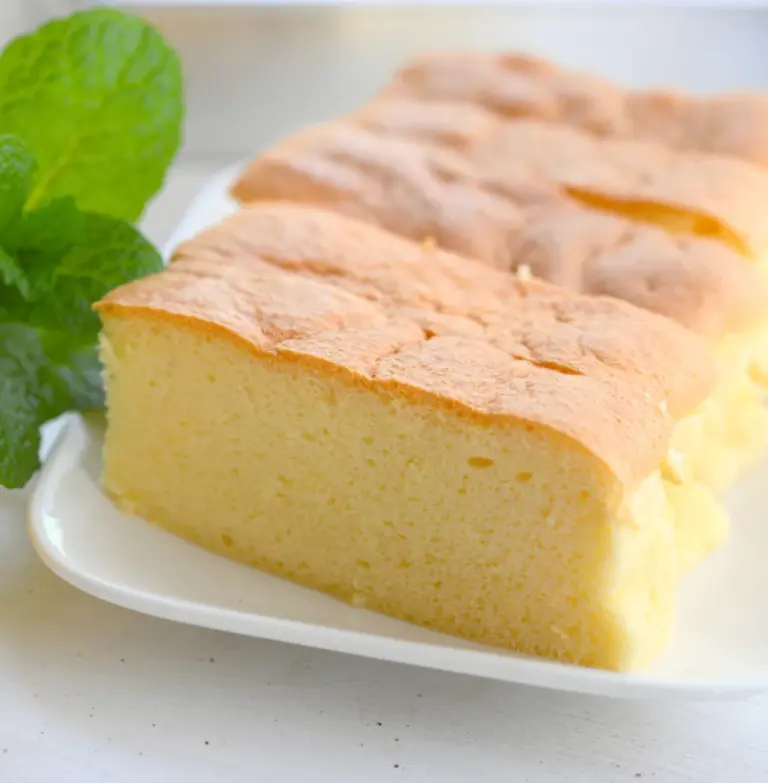
Taiwanese Souffle Castella Cake
A soft, impossibly jiggly Taiwanese castella cake made with a butter-milk base, four eggs, and a soft meringue. Baked low and slow in a water bath for a cloud-like crumb with zero dryness.
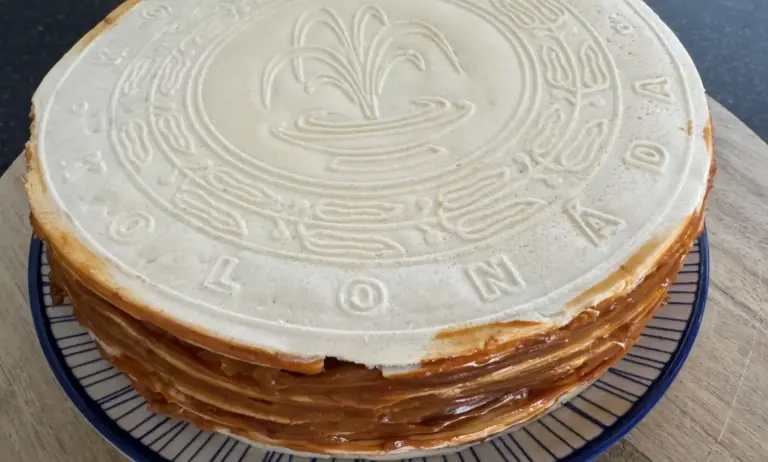
Czech Hazelnut Wafer Cake (Oplatky)
A no-bake Czech classic made with Kolonáda spa hazelnut wafers, mascarpone, dulce de leche, and walnuts. Stack, chill, and slice - the layers soften into something rich and quietly addictive.
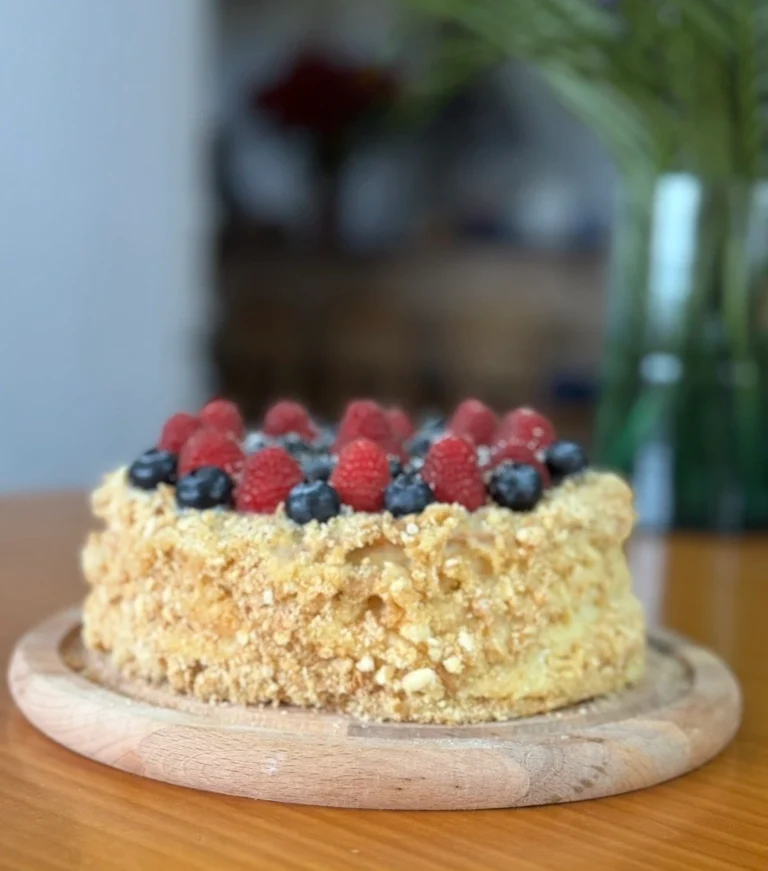
Classic Napoleon Cake (Mille-Feuille)
Dozens of paper-thin, flaky pastry layers soaked overnight in silky vanilla custard - this is the Napoleon cake from every Ukrainian grandmother's recipe box, always made the day before and always worth the wait.
Related searches