Classic Sour Cream Pound Cake
Dense, buttery, and impossibly tender - this sour cream pound cake has a fine crumb that slices cleanly and a flavour that quietly gets better on day two.
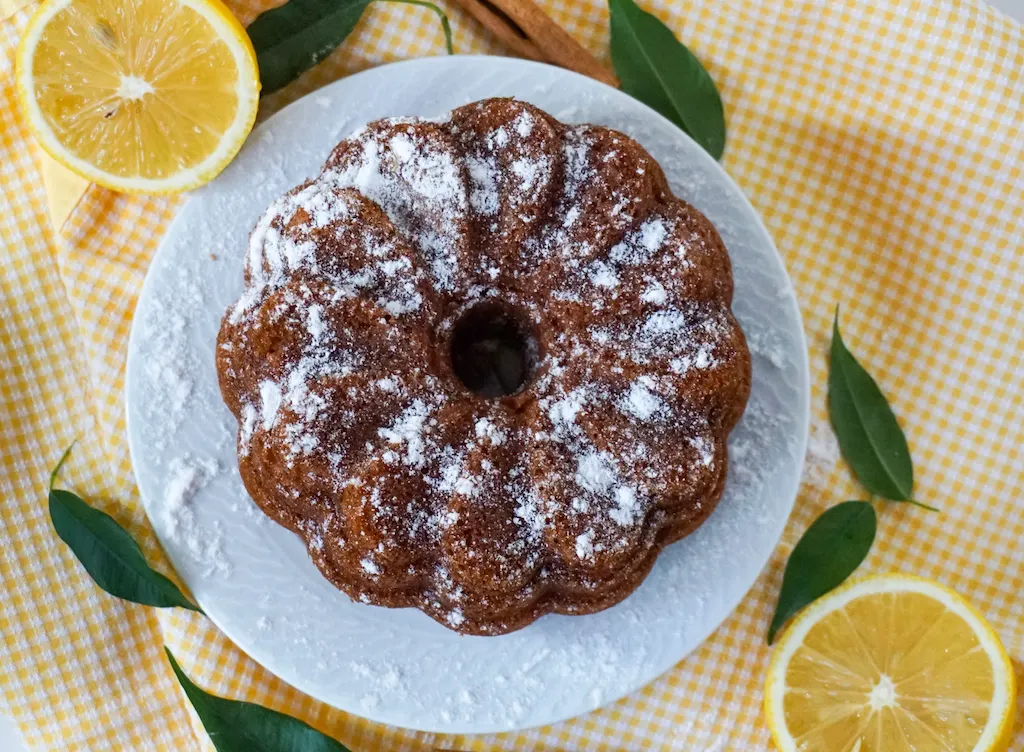
Pound cake has a reputation for being old-fashioned, which I think is slightly unfair. What it actually is – and what makes it worth making – is reliable. There’s no fussy technique, no temperamental frosting, no narrow window in which it must be eaten or else. You make it, you let it cool, you slice it, and it is exactly what it promised to be: dense in a good way, buttery in a better way, and the kind of thing that stays good on the counter for three or four days without drying out or losing its nerve.
The sour cream version is the one I keep coming back to. It does two things for the batter that plain pound cake can’t quite do on its own: it adds a faint, barely-there tang that cuts through the sweetness in exactly the right amount, and it loosens the crumb just enough that the texture lands somewhere between tight and tender rather than firmly in the brick category. You can taste the sour cream if you know it’s there and go looking for it – otherwise it just reads as “better than the one I made before.”
A few things worth knowing before you start. Room temperature really matters here. Butter that’s too cold won’t cream properly, and the whole structure of the cake depends on that creaming stage – it’s where air gets trapped and where the crumb is built. The same goes for the eggs and the sour cream: cold eggs shock the batter and can make it look curdled. Not fatal, but not ideal either. Give everything 30 minutes on the counter before you begin.
The flour goes in alternating with the sour cream – roughly three additions of flour and two of sour cream, starting and ending with flour. It sounds fussier than it is. The reason is simple: you’re keeping the batter emulsified rather than dumping all the flour in at once, which would develop too much gluten and give you something tough instead of tender.
The most common mistake with pound cake is pulling it out too early. The outside browns quickly and looks done when the inside isn’t. A skewer inserted into the deepest part of the cake should come out completely clean – not just moist, actually clean – and the internal temperature should be around 96C (205F) if you have a probe thermometer. If in doubt, give it another five minutes.
One honest swap worth knowing: full-fat plain yogurt works almost perfectly in place of sour cream. The texture is nearly identical and the tang is similar, maybe very slightly milder. If you want a citrus note, a tablespoon of lemon zest folded into the batter before baking does something quietly lovely without turning it into a different cake.
This is the kind of cake that doesn’t need anything on top. A dusting of icing sugar, maybe nothing at all. It’s enough on its own.
If this is the pound cake you keep coming back to, try Chocolate Pound Cake next – same dense-crumbed logic with chocolate worked all the way through. Or Classic Vanilla Bundt Cake if you want something in a bundt pan that pairs well with a simple glaze.
Ingredients for Classic Sour Cream Pound Cake
- 3 cups (360g) all-purpose flour
- 1/2 tsp baking soda
- 1/2 tsp fine salt
- 1 cup (226g) unsalted butter, room temperature
- 3 cups (600g) granulated sugar
- 6 large eggs, room temperature
- 1 cup (240g) full-fat sour cream, room temperature
- 2 tsp pure vanilla extract
How to Make Classic Sour Cream Pound Cake
-
1
Heat the oven to 165C (325F). Grease a 12-cup bundt pan or 10-inch tube pan thoroughly with butter, then dust with flour and tap out any excess.
-
2
Whisk the flour, baking soda, and salt together in a bowl and set aside.
-
3
Beat the butter in a stand mixer fitted with the paddle attachment on medium speed for 2 minutes until smooth. Add the sugar and beat for 4 to 5 minutes, until the mixture is very pale and noticeably fluffy.
-
4
Add the eggs one at a time on low speed, beating for about 20 seconds after each before adding the next.
-
5
Add the vanilla and mix briefly to combine.
-
6
With the mixer on low, add one third of the flour mixture and mix just until it disappears. Add half the sour cream and mix again. Repeat with another third of the flour, the remaining sour cream, then the final third of the flour, mixing just until combined after each addition. Do not overmix.
-
7
Scrape the batter into the prepared pan and smooth the top. Tap the pan gently on the counter a couple of times to settle the batter and release any large air pockets.
-
8
Bake for 75 to 85 minutes, until a skewer inserted into the deepest part comes out completely clean and the internal temperature reads around 96C (205F).
-
9
Cool in the pan on a wire rack for 15 minutes, then invert onto the rack and leave to cool completely before slicing.
Nutrition (per serving)
- Carbs 55g · 57%
- Protein 5g · 5%
- Fat 16g · 38%
Tips & FAQ
Why did my pound cake sink in the middle?
Can I substitute sour cream with something else?
Do I really need to cream the butter for a full 5 minutes?
How do I know when a pound cake is done?
Can I add flavours to this recipe?
More Cakes
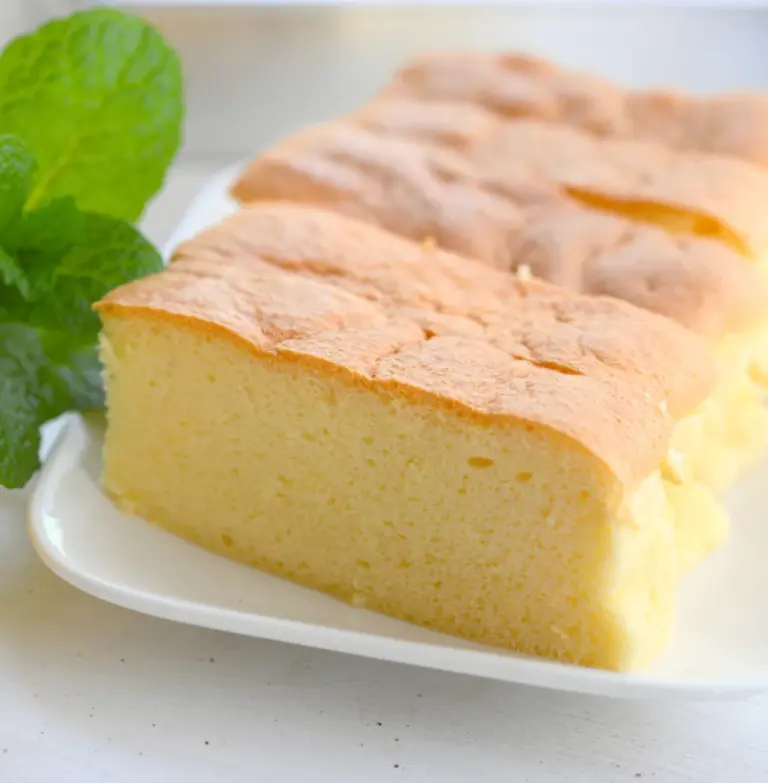
Taiwanese Souffle Castella Cake
A soft, impossibly jiggly Taiwanese castella cake made with a butter-milk base, four eggs, and a soft meringue. Baked low and slow in a water bath for a cloud-like crumb with zero dryness.
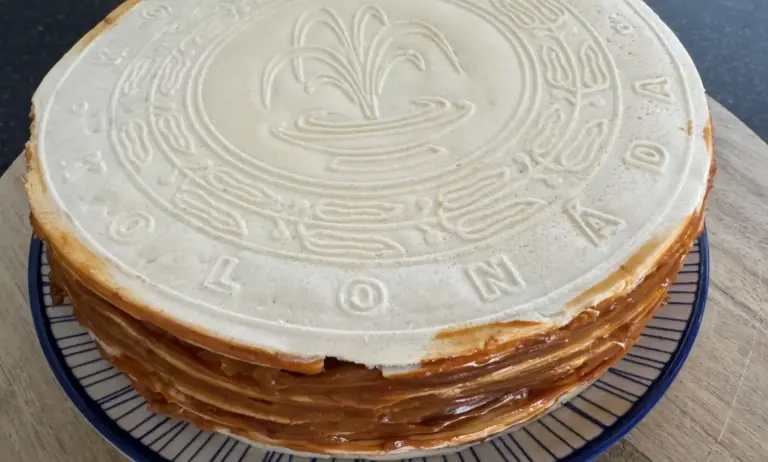
Czech Hazelnut Wafer Cake (Oplatky)
A no-bake Czech classic made with Kolonáda spa hazelnut wafers, mascarpone, dulce de leche, and walnuts. Stack, chill, and slice - the layers soften into something rich and quietly addictive.
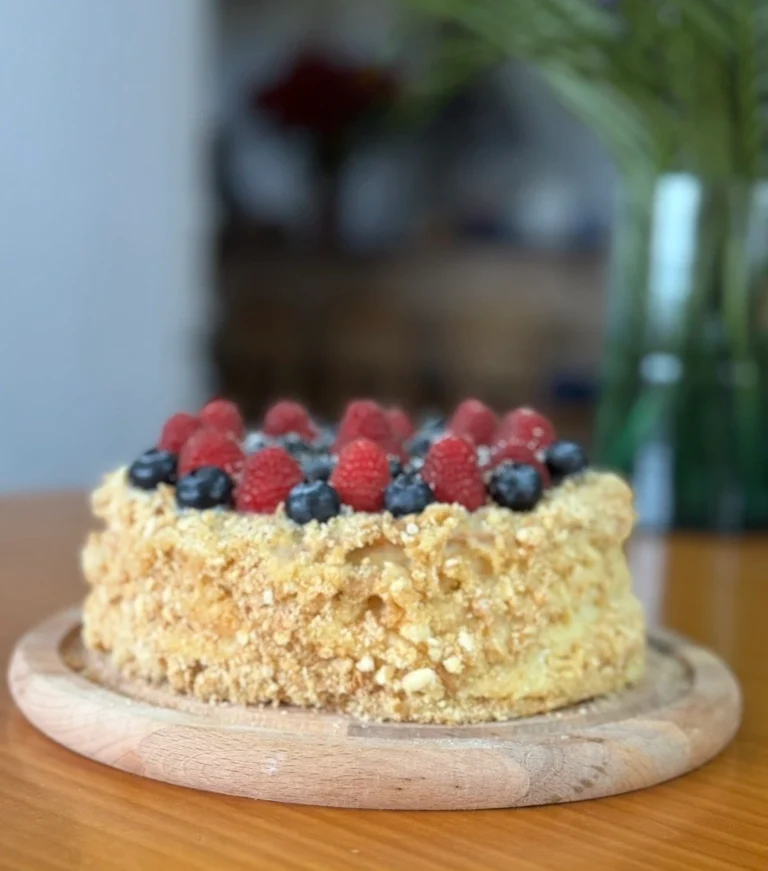
Classic Napoleon Cake (Mille-Feuille)
Dozens of paper-thin, flaky pastry layers soaked overnight in silky vanilla custard - this is the Napoleon cake from every Ukrainian grandmother's recipe box, always made the day before and always worth the wait.
Related searches