Japanese Souffle Pancakes
Tall, cloud-soft Japanese souffle pancakes made with a meringue-based batter and cooked low and slow under a lid. Jiggly, light, and worth every careful fold.
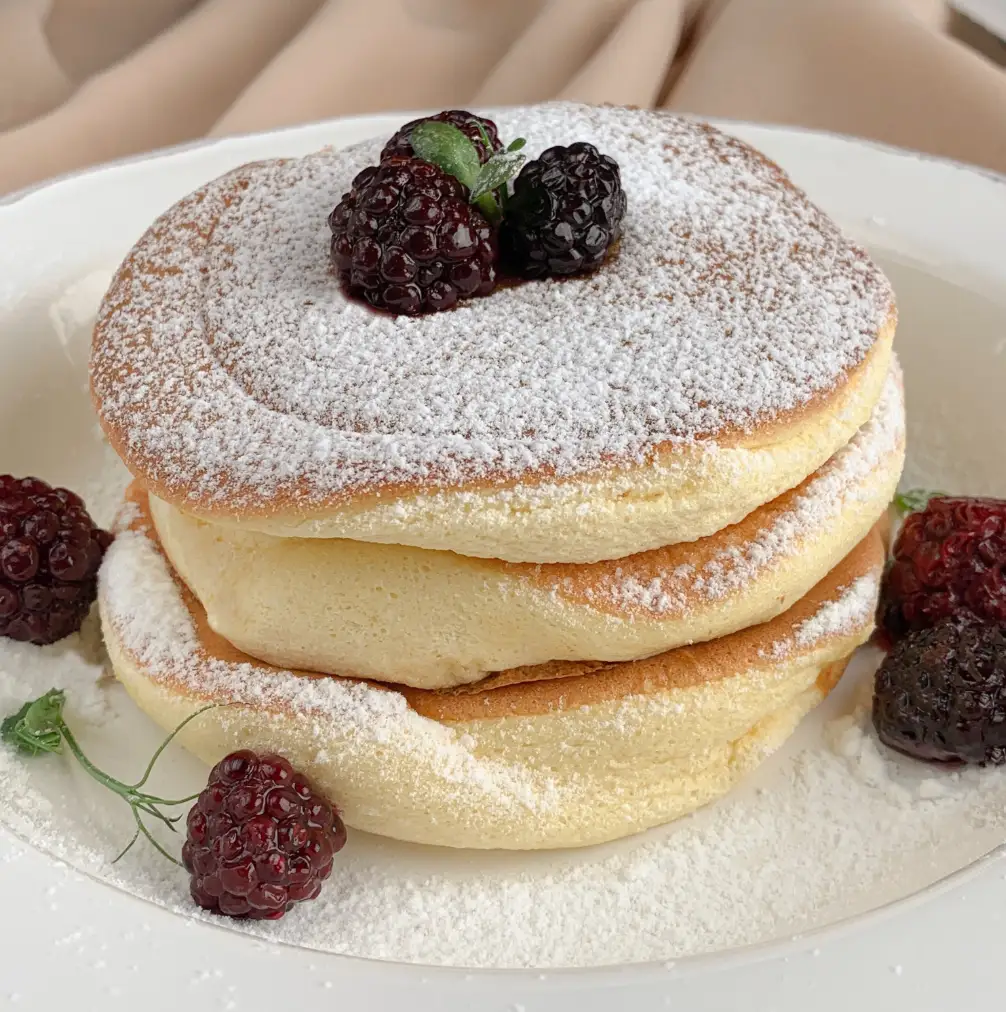
Japanese souffle pancakes are what happen when someone decides a regular pancake needs to be three times taller and half the density. They are not complicated, but they do require a different approach than anything you have made in a pan before. The height and the wobble come entirely from a stiff meringue folded into the yolk batter – there is no special ingredient, no unusual equipment, just technique applied carefully at each step.
The meringue is the whole recipe. Egg whites whipped to stiff peaks trap air, and that air expands under low heat to give the pancakes their height. This means two things have to go right: the meringue must be genuinely stiff before it gets folded in, and the folding must be gentle enough to preserve most of the air it took effort to build. Overmixing at the folding stage deflates the batter and produces a pancake that is noticeably flatter and denser. Fold until just combined – a few streaks are better than a collapsed batter.
The lemon juice added to the egg whites before whipping is not optional decoration. Acid lowers the pH of the whites, which makes the protein structure of the meringue more stable and easier to hold at stiff peaks without overwhipping. Half a teaspoon is enough to make a real difference. Adding the sugar gradually in two stages – rather than all at once – gives the whites time to structure themselves around the sugar crystals, which is what creates the glossy, firm texture you need.
Heat is the other critical variable. These pancakes cook on low heat, covered, for three to five minutes per side. High heat will brown and set the outside before the inside has a chance to cook through, leaving you with a raw center and a collapsed dome. Low heat and a lid create a gentle, steamy environment that cooks the pancake evenly all the way through. Do not rush it. If you lift the lid repeatedly to check, you lose the steam and the cook time extends unpredictably.
If you love eggy, delicate batters, our Classic French Crepes use a similar minimal-ingredient approach to a completely different result. And if you want a more familiar version for comparison, our Good Old-Fashioned Pancakes are the reliable baseline these are departing from.
Ingredients for Japanese Souffle Pancakes
- 4 large eggs, cold, separated
- 60ml (4 tablespoons) whole milk
- 50g (6 tablespoons) cake flour or all-purpose flour, sifted
- 6g (1 1/2 teaspoons) baking powder
- 48g (4 tablespoons) granulated sugar, divided
- 1 teaspoon lemon juice
- Vegetable oil, for the pan
- For serving:
- Powdered sugar, maple syrup, fresh fruit, jam, or yogurt
How to Make Japanese Souffle Pancakes
-
1
Separate the eggs, placing the yolks in a medium bowl and the whites in a large clean bowl. The bowl for the whites must be completely free of grease.
-
2
Add the milk to the egg yolks and whisk until combined.
-
3
Sift the flour and baking powder together, then add to the yolk mixture. Stir gently until just combined - do not overmix.
-
4
Add the lemon juice to the egg whites. Using a hand mixer, beat on medium speed until foamy.
-
5
Add 16g (about one third) of the sugar and continue beating. Add the remaining sugar in two more additions, beating between each, until the meringue reaches stiff, glossy peaks that hold their shape and do not fall when the bowl is tilted.
-
6
Add about one third of the meringue to the yolk batter and fold gently to loosen it. Add the remaining meringue in two additions, folding carefully each time with a spatula. Stop as soon as no large white streaks remain - a few small ones are fine.
-
7
Heat a non-stick pan on the lowest heat setting. Add a very thin film of vegetable oil and wipe away any excess with a paper towel.
-
8
Pipe or spoon the batter into the pan in tall mounds, about 6-7cm wide. Place a lid on the pan immediately.
-
9
Cook for 3-5 minutes, until the base is lightly golden and the sides look mostly set. Gently slide a thin spatula underneath each pancake, press the top lightly, and flip in one smooth motion.
-
10
Replace the lid and cook for another 3-5 minutes until cooked through. The pancake should feel springy and not wet when gently pressed.
-
11
Serve immediately with your choice of toppings.
Nutrition (per serving)
- Carbs 23g · 49%
- Protein 8g · 17%
- Fat 7g · 34%
Tips & FAQ
Why did my pancakes collapse after cooking?
Can I make these without a piping bag?
What temperature should the pan be?
Can I use all-purpose flour instead of cake flour?
Why do I add lemon juice to the egg whites?
More Pancakes
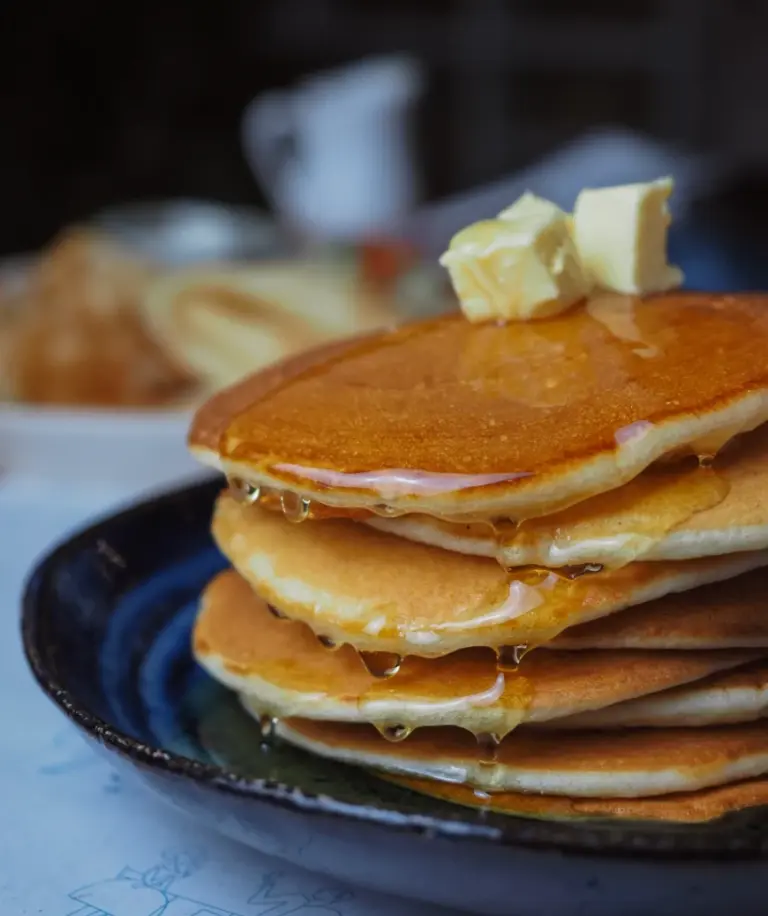
IHOP Pancakes Recipe (Copycat)
A spot-on copycat of IHOP's famous buttermilk pancakes - thick, golden, and soft all the way through. Served with homemade whipped butter and maple syrup, just like the real thing.
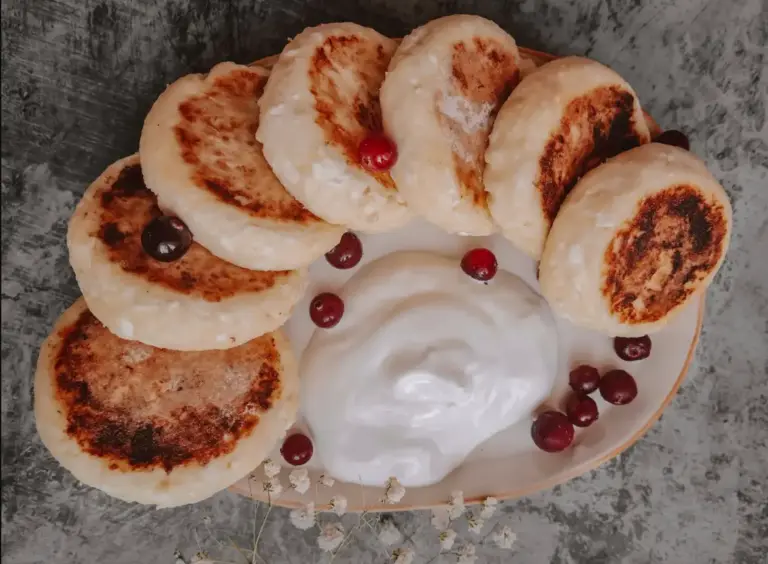
Ukrainian Cheese Pancakes (Syrnyky)
Syrnyky are Ukrainian cheese pancakes made from quark or dry curd cottage cheese, and they are one of those breakfast dishes that feels both humble and satisfying at the same time. The name comes from the Ukrainian word for cheese, “syr,” and the recipe has been made across Ukraine and Eastern Europe for generations – […]
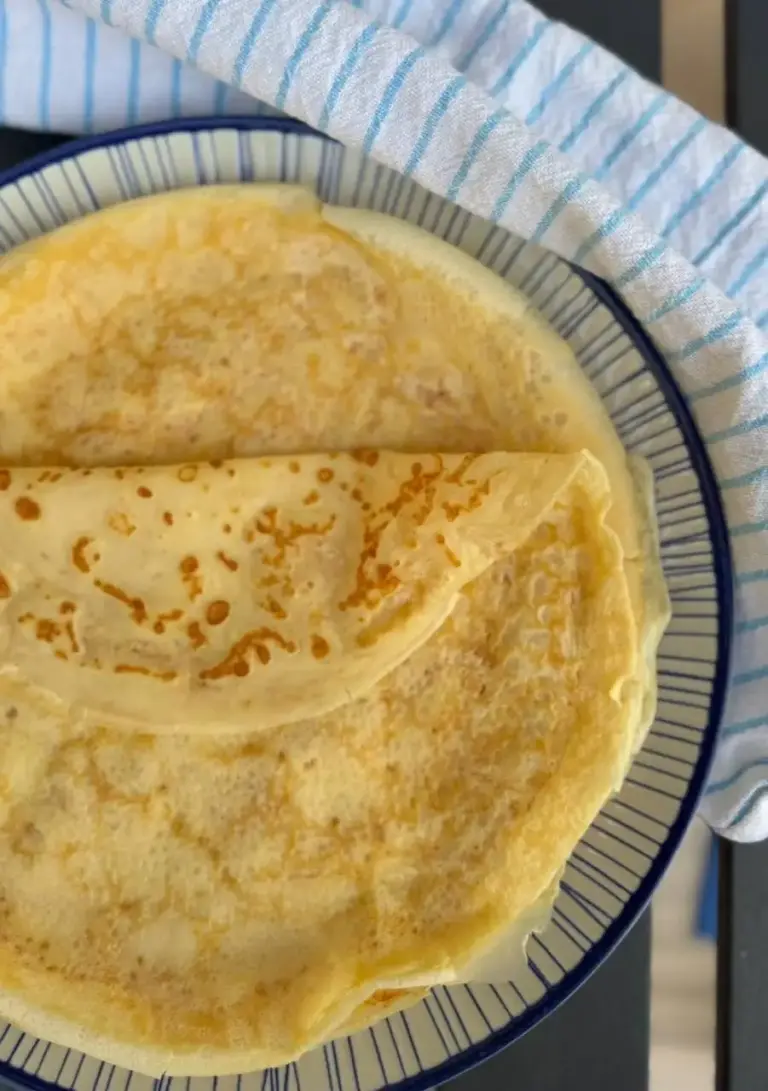
Classic French Crepes
Thin, golden, and buttery French crepes made with a simple 6-ingredient batter. Ready in under 30 minutes - serve them sweet with jam, fruit, or a dusting of powdered sugar.
Related searches