Classic Madeleines (French Butter Cakes)
Soft, buttery, shell-shaped little cakes from France, made with browned butter and lemon zest. The batter rests overnight for that signature hump, and they are best eaten warm within minutes of coming out of the oven.
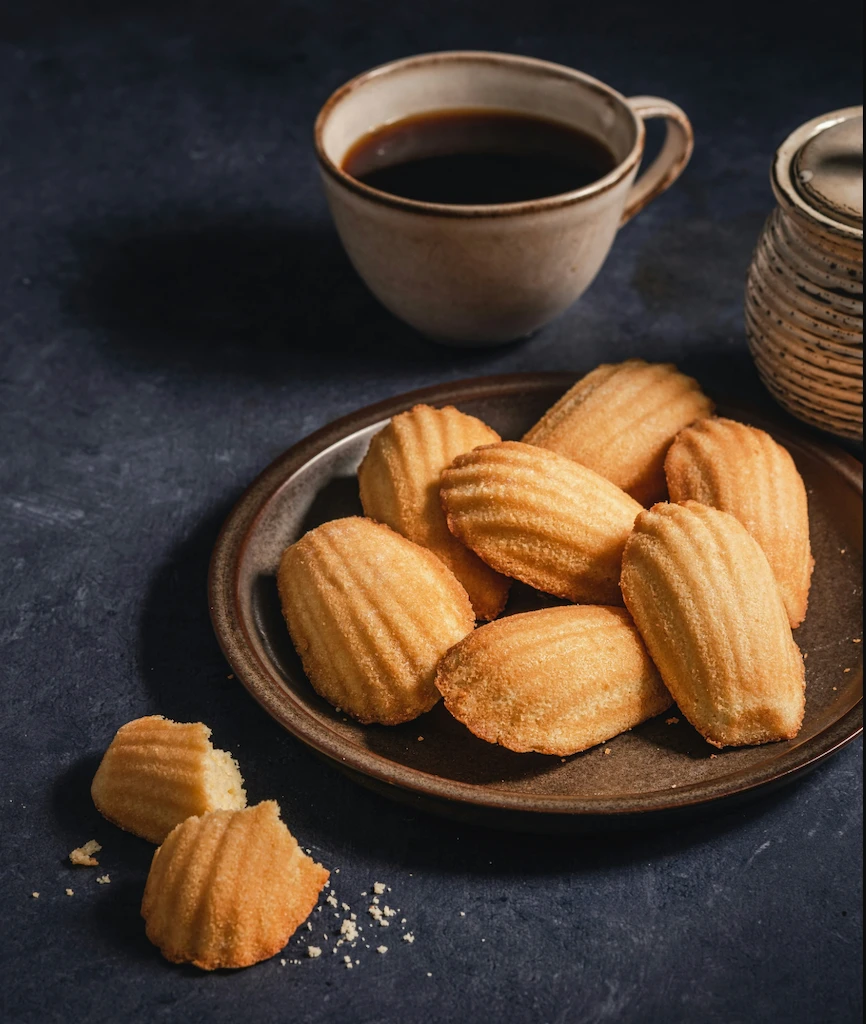
The madeleine is often described as a cookie, which undersells it considerably. It is, in fact, a small butter cake – soft, springy, and faintly crisp at the edges – baked in a shell-shaped tin that gives it its distinctive ribbed look. The inside is closer to a génoise than anything you would find in a cookie tin, and the flavour, when made properly, is somewhere between a sponge cake and a piece of shortbread that got a better education.
The recipe has very few ingredients: eggs, sugar, flour, baking powder, butter, lemon zest, and vanilla. What makes the difference between a mediocre madeleine and a genuinely good one is technique – specifically, two things. The first is browning the butter. This is not optional. Pale melted butter produces pale, flat-tasting madeleines. Beurre noisette – butter cooked until the milk solids turn golden and it smells faintly of hazelnuts – gives the batter a depth of flavour that carries right through to the finished cake. It takes an extra five minutes and is entirely worth it.
The second thing is the rest. The batter needs to chill in the fridge for at least one hour, preferably overnight. Cold batter hitting a hot oven creates a steam pocket that forces the centre to rise quickly, producing the characteristic little hump on the back of each madeleine. Without the rest, you get a flatter cake without that rise – still fine to eat, but not quite right. Make the batter the evening before and bake in the morning; the wait is passive and the results are noticeably better.
The madeleine tin itself matters here. A standard metal tin with shell-shaped cavities works best – silicone versions tend to produce paler, softer results because they conduct heat differently. Grease and flour the tin well, or brush it with softened butter and freeze it for a few minutes before filling, which helps the cakes release cleanly.
A reliable swap: replace the lemon zest with orange zest for a slightly warmer, rounder flavour. A teaspoon of honey added to the batter along with the sugar gives a little extra colour and a gentle floral note without changing the texture. You can also stir in a tablespoon of poppy seeds for something a bit more interesting.
The most common mistake is overbaking. Madeleines go from perfect to dry in under two minutes. Pull them when the edges are golden and the hump on top looks just set – they will continue cooking briefly in the tin. Eat them warm if you can, within twenty minutes of baking, when the outside is still faintly crisp and the inside is soft and buttery. They are good the next day too, but they are best right now.
If madeleines are your kind of baking, try Swedish Cardamom Buns for that same careful-but-simple quality – or Almond Cake (Tarta de Santiago) if you want something in the same elegant, minimal territory.
Ingredients for Classic Madeleines (French Butter Cakes)
- Brown butter:
- 115g (1/2 cup) unsalted butter, cut into pieces
- Batter:
- 2 large eggs, at room temperature
- 100g (1/2 cup) granulated sugar
- 1 teaspoon vanilla extract
- Zest of 1 lemon
- 120g (1 cup) all-purpose flour
- 1 teaspoon baking powder
- 1/4 teaspoon salt
- For the tin:
- 1 tablespoon softened butter, for greasing
- 1 tablespoon all-purpose flour, for dusting
How to Make Classic Madeleines (French Butter Cakes)
-
1
Place the butter in a small saucepan over medium heat. Cook, swirling occasionally, until the butter foams, the foam subsides, and the milk solids at the bottom turn golden brown and smell nutty - about 5 to 7 minutes. Pour immediately into a bowl and set aside to cool to room temperature.
-
2
In a large bowl, whisk together the eggs and sugar until pale, slightly thickened, and the sugar has mostly dissolved - about 2 to 3 minutes by hand.
-
3
Add the vanilla and lemon zest and whisk to combine.
-
4
Add the flour, baking powder, and salt and fold gently with a spatula until just incorporated.
-
5
Pour in the cooled brown butter and fold until the batter is smooth and glossy. Do not overmix.
-
6
Cover the batter tightly with plastic wrap pressed directly onto the surface and refrigerate for at least 1 hour, or overnight.
-
7
When ready to bake, preheat the oven to 200C (400F). Grease the madeleine tin thoroughly with softened butter, then dust with flour, tapping out any excess. Place the tin in the freezer for 5 minutes while the oven heats.
-
8
Spoon or pipe the cold batter into the prepared tin, filling each cavity about three-quarters full. Do not spread or flatten the batter.
-
9
Bake for 10 to 12 minutes, until the edges are golden, the centres are just set, and the characteristic hump has formed on the back of each madeleine. Do not overbake.
-
10
Remove from the oven and turn the madeleines out onto a wire rack immediately. If any stick, run a thin spatula along the edge to release them.
-
11
Serve warm, within 20 minutes of baking if possible. Store leftovers in an airtight tin at room temperature for up to 2 days.
Nutrition (per serving)
- Carbs 28g · 46%
- Protein 4g · 7%
- Fat 13g · 48%
Tips & FAQ
Why do my madeleines not have the signature hump?
Do I need a madeleine tin?
How do I stop madeleines from sticking to the tin?
Can I add flavours to madeleine batter?
When are madeleines best eaten?
More Cookies

Soft Gingerbread Cookies
Warmly spiced, perfectly crisp gingerbread cookies that hold their shape when cut and decorate beautifully. Made with molasses, ginger, cinnamon, and cloves - the kind that smells like December and keeps for weeks.
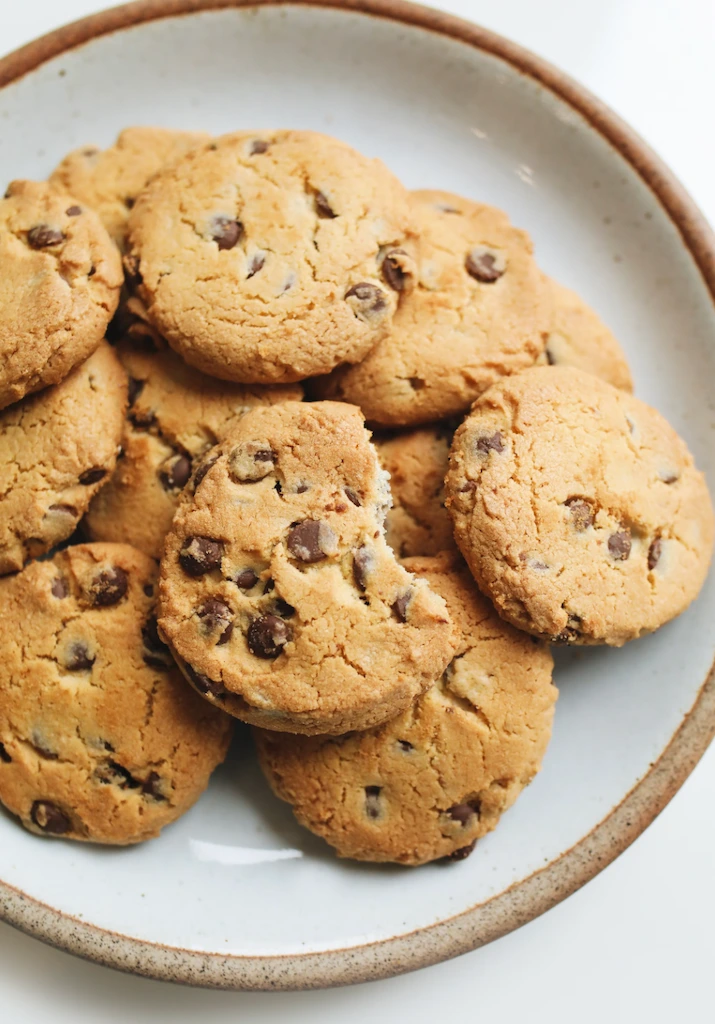
Brown Butter Chocolate Chip Cookies
Crisp at the edges, chewy in the center, and full of a deep nutty flavour that regular melted butter never gives you. Brown butter is the one upgrade that changes everything about a chocolate chip cookie.
Related searches