Is Basque Cheesecake Supposed to Look Burnt on Top?
Yes, that deeply caramelized, almost-black top isn't a mistake. Here's why Basque cheesecake is baked to look burnt, and how it gives the cake its signature rich flavor.
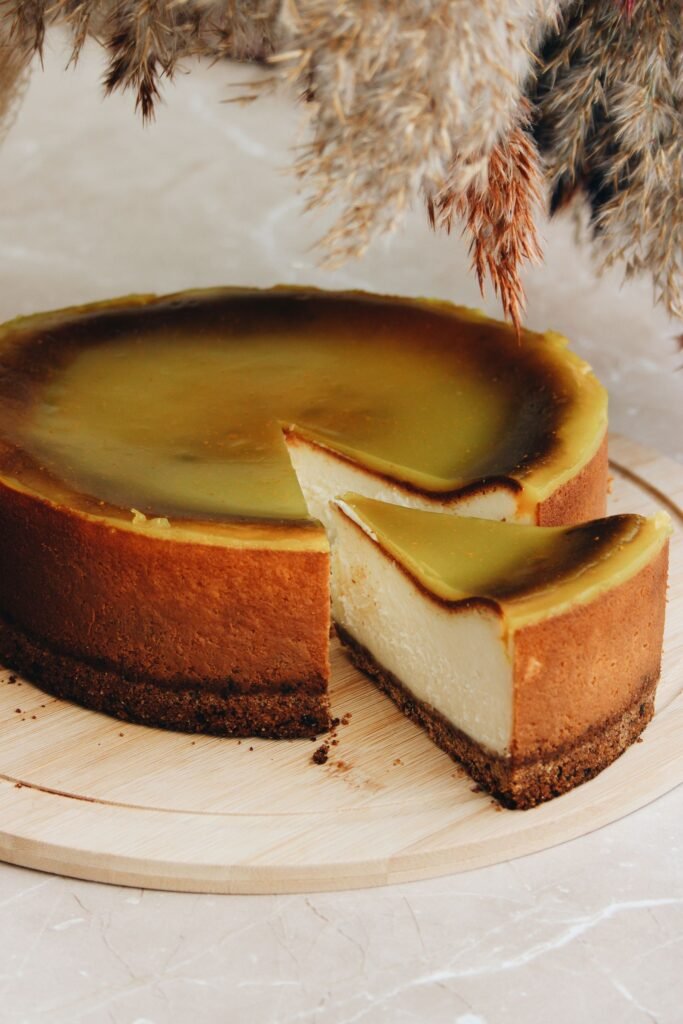
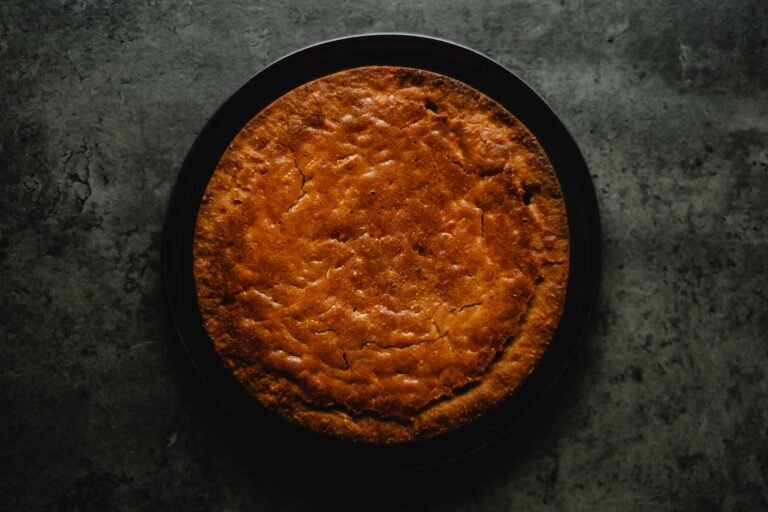
Pull a Basque cheesecake out of the oven for the first time and the instinct is to panic – the top looks scorched, almost black in places, like something went badly wrong. So, is Basque cheesecake supposed to look burnt on top? Yes. That deep caramelization isn’t a mistake – it’s the entire point, and it’s exactly what gives Basque cheesecake its signature rich flavor profile.
Where Basque Cheesecake Comes From
Basque cheesecake was created in the 1990s by chef Santiago Rivera at La Viña, a small bar and restaurant in San Sebastián, Spain. Rivera skipped the graham cracker crust and water bath that most cheesecakes rely on, and baked the batter directly in a crustless, parchment-lined pan at very high heat. The burnt top wasn’t an accident he later fixed – it was the defining feature of the recipe from the start, and it’s why the cake is sometimes called “burnt Basque cheesecake” on menus today.
Why It’s Baked at Such High Heat
Traditional cheesecakes bake low and slow, often in a water bath, specifically to avoid browning. Basque cheesecake does the opposite on purpose: it bakes uncovered at 450°F or higher, with nothing insulating the batter from direct heat. That intensity caramelizes the sugar and proteins on the surface rapidly through the Maillard reaction, while the dense batter underneath doesn’t have time to fully set – which is why the top turns deeply browned while the center stays soft, jammy, and almost molten.
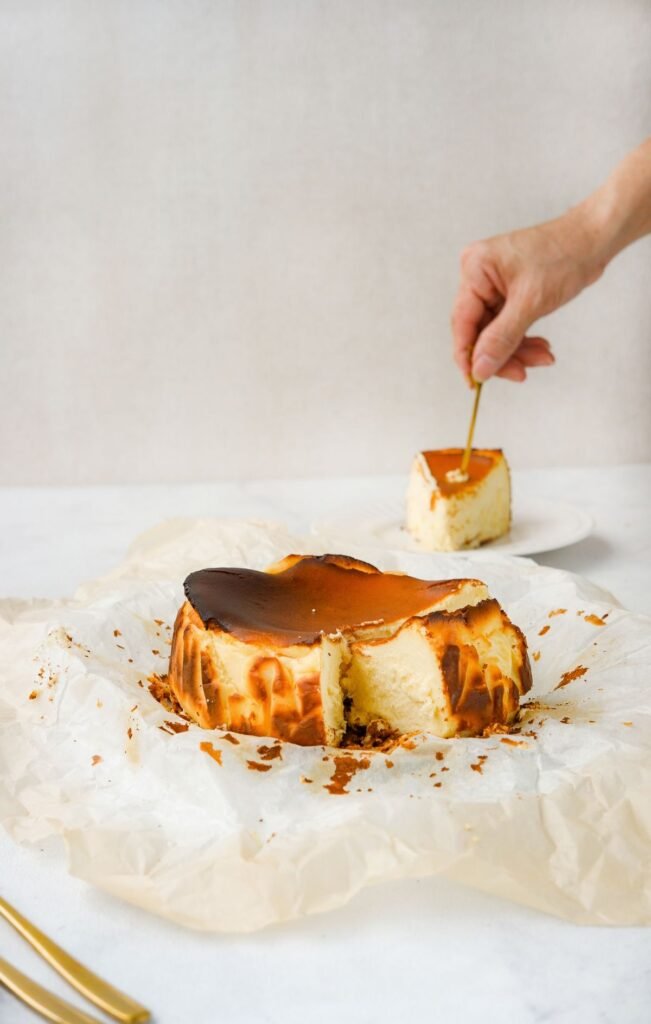
What “Burnt” Actually Means Here
There’s a real difference between caramelized and burnt in the literal sense. A properly baked Basque cheesecake top is deep mahogany to near-black, with a flavor that reads as toasty and slightly bitter-sweet, similar to the edge of a well-caramelized creme brulee – not acrid or ashy. The contrast is the whole appeal: a firm, almost bitter exterior giving way to an ultra-creamy, custardy center underneath.
How to Tell Burnt (Bad) From Basque-Burnt (Good)
If the top smells sharply of smoke or tastes genuinely charred and bitter rather than caramelized, it’s gone too far. A correctly baked cake will still jiggle noticeably in the center when you shake the pan, smell like caramel and toasted sugar rather than smoke, and taste rich and slightly bittersweet on top rather than acrid. Color alone – no matter how dark – isn’t the test; smell and texture are.
The Verdict
Yes, Basque cheesecake is supposed to look burnt on top. That deep caramelization is what separates it from a standard New York-style cheesecake, and it’s exactly what gives the cake its signature rich, slightly bitter-sweet flavor profile against the soft, custardy interior. If yours looks scorched, you almost certainly did it right.
Related searches
More in Baking Tips
What Is the Difference Between Baking Powder and Baking Soda?
They look nearly identical, but baking powder and baking soda work completely differently. Here's the real…
Why Does My Cake Crack on Top?
A cracked cake top isn't always a mistake, but it's usually a clue. Here's why cakes…
Where Did Popcorn Come From?
Popcorn feels like a modern snack, but its story goes back roughly 6,700 years. Here's where…