Why Does My Cake Crack on Top?
A cracked cake top isn't always a mistake, but it's usually a clue. Here's why cakes crack on top, and the small fixes that stop it from happening again.
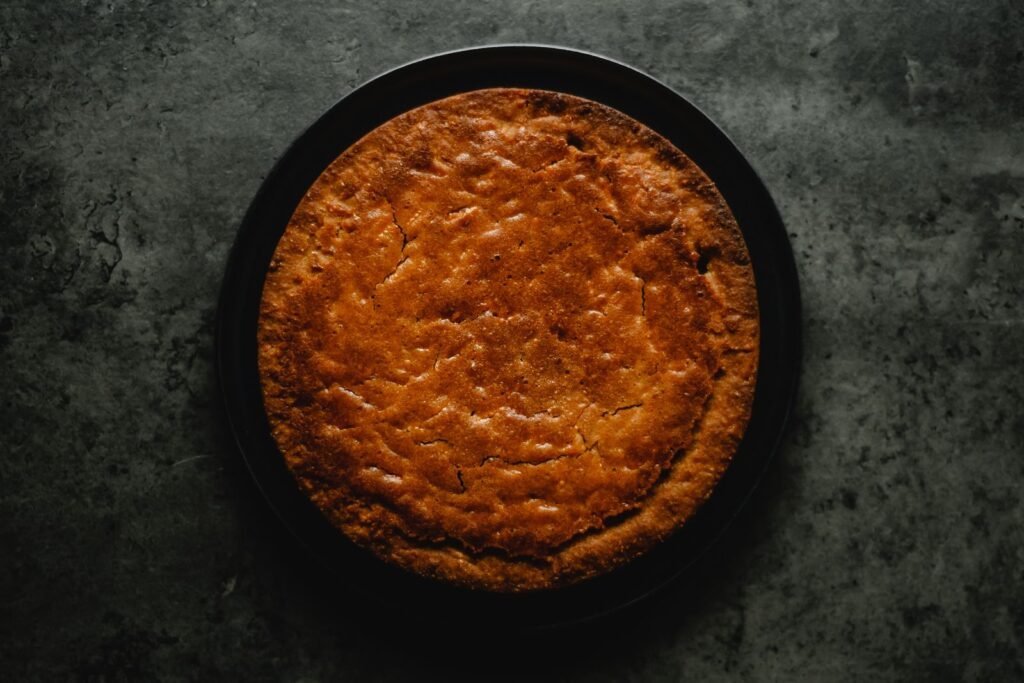
You pull a cake out of the oven expecting a smooth dome, and instead there’s a crack running straight across the top. If you’ve asked yourself why does my cake crack on top, the good news is it’s rarely about your recipe – it’s almost always about heat, rise, or timing, and each has an easy fix.
The Most Common Cause: Oven Temperature Too High
When the oven runs hotter than the recipe expects, the outside of the cake sets into a crust before the inside has finished rising. The center keeps expanding and pushing upward, and since the crust on top has already firmed up, it has nowhere to stretch – so it splits. An oven thermometer is the single best fix here, since most home ovens run 15–25°F off from what the dial says, and that gap alone is enough to cause cracking.
Too Much Rising Agent
Extra baking powder or baking soda doesn’t make a cake fluffier – it makes it rise faster and more violently than the batter’s structure can handle. That rapid rise is a common cause of a cake that domes sharply and cracks right down the middle. Measuring rising agents precisely, rather than eyeballing a “heaping” spoonful, prevents this more often than people expect.
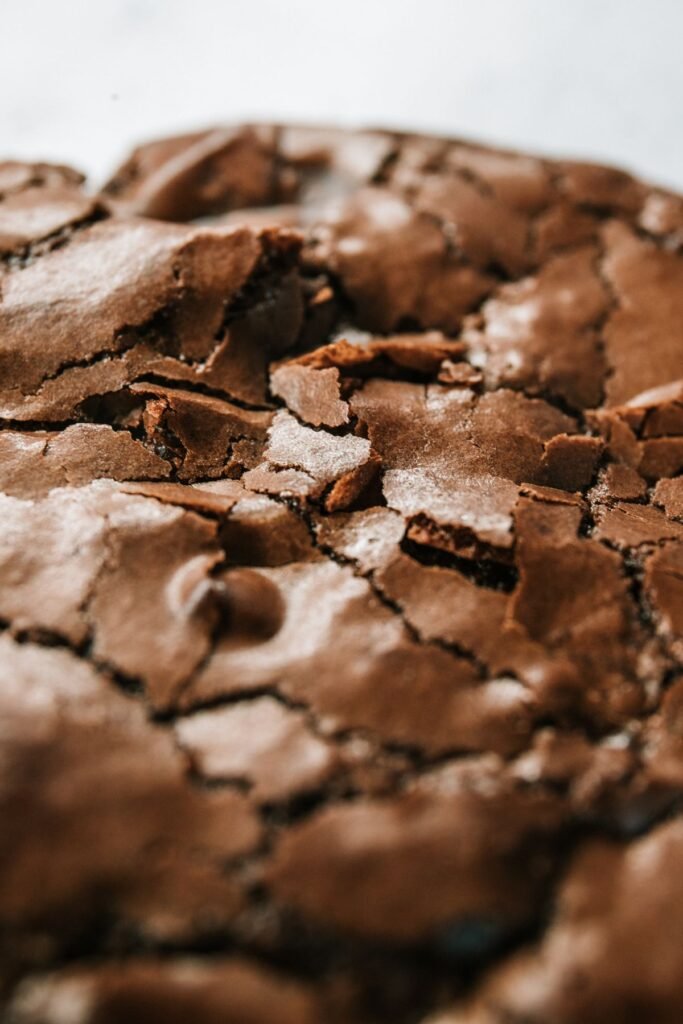
Overfilling the Pan
A pan filled too close to the rim doesn’t leave the batter anywhere to expand except straight up and through the surface. Filling a cake pan about two-thirds full gives the batter room to rise smoothly instead of forcing its way through a crust that’s already set.
Opening the Oven Door Too Early
Opening the oven before a cake has set lets a rush of cold air hit the batter, which can cause uneven rising – parts of the cake keep pushing up while others deflate, and the uneven pressure often shows up as a crack once the cake finishes baking. Most recipes are timed so the structure is set by at least the two-thirds mark of baking; try to leave the door shut until then.
Is Cracking Always a Problem?
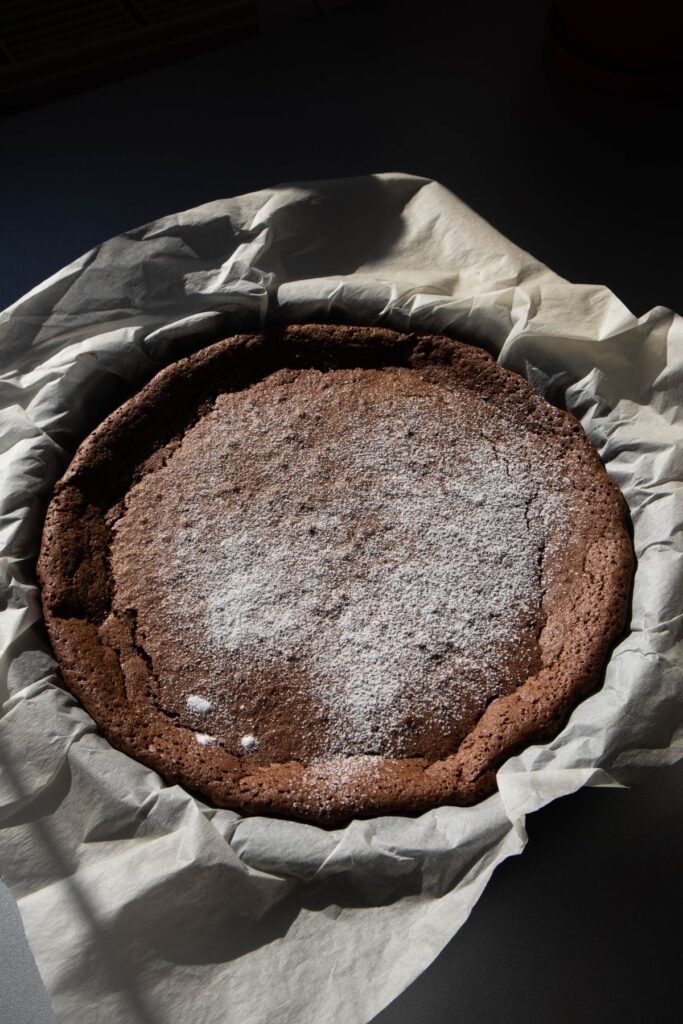
Not always. Pound cakes are famous for a cracked top – the dense batter and long bake time make a center crack almost expected, and many bakers see it as a sign the cake baked through properly. Banana bread and some sheet cakes crack for the same reason. Cheesecakes crack for a slightly different reason – overbaking and rapid cooling – but the crack itself doesn’t mean the cake underneath is ruined. In all of these cases, a crack is cosmetic, not a sign the cake failed, and frosting or a dusting of powdered sugar covers it easily.
How to Prevent It Next Time
Check your oven’s real temperature with a thermometer, measure baking powder and soda precisely instead of estimating, fill pans no more than two-thirds full, and resist opening the oven door for at least the first two-thirds of the bake time. Together, these four habits fix the vast majority of cracked-top cakes without changing anything about the recipe itself.
Related searches
More in Baking Tips
What Is the Difference Between Baking Powder and Baking Soda?
They look nearly identical, but baking powder and baking soda work completely differently. Here's the real…

Where Did Popcorn Come From?
Popcorn feels like a modern snack, but its story goes back roughly 6,700 years. Here's where…
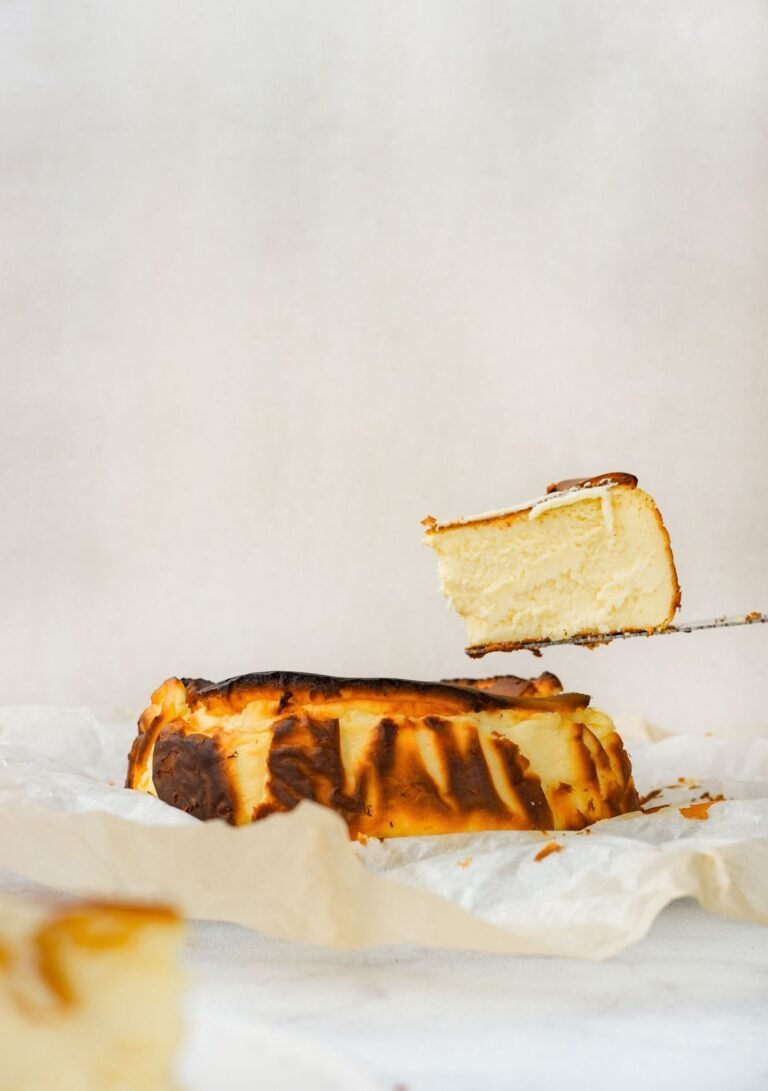
Are Basque and San Sebastián Cheesecakes the Same Thing?
Short answer: yes. Here's why Basque cheesecake and San Sebastián cheesecake are the exact same dessert,…