Where Did Popcorn Come From?
Popcorn feels like a modern snack, but its story goes back roughly 6,700 years. Here's where popcorn actually came from, why it pops, and how it ended up next to the movie screen.
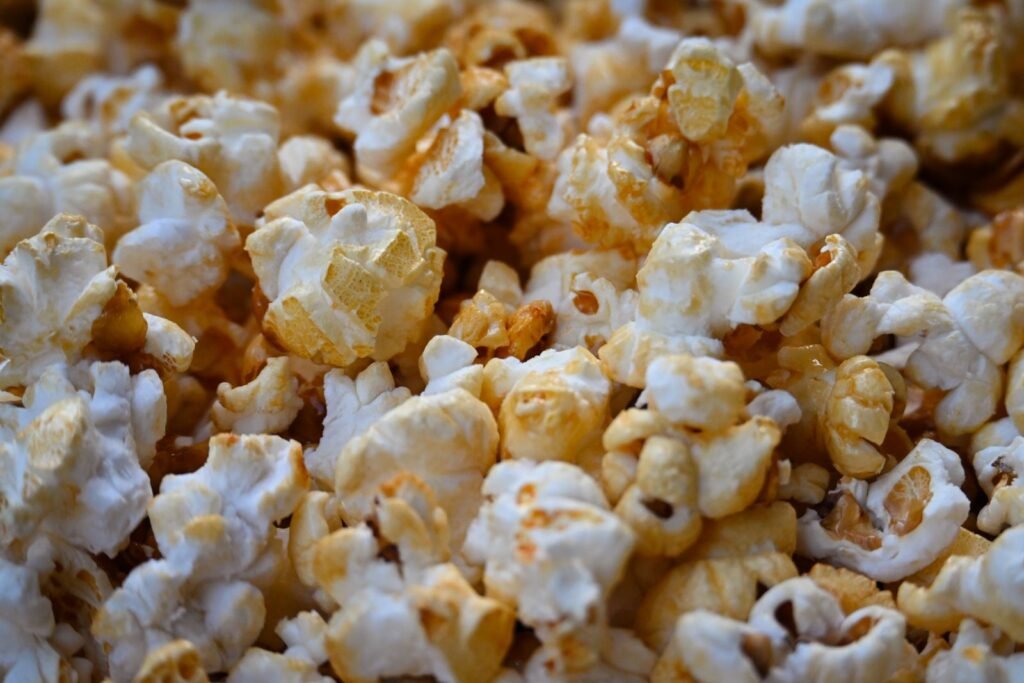
Popcorn feels like a modern invention – something built for movie theaters and microwaves. But where did popcorn come from is a much older story than that: people have been popping corn for thousands of years, long before anyone thought to sell it in a paper bag.
The Oldest Popcorn Ever Found
Archaeologists have found popcorn remains in Peru dating back roughly 6,700 years, making it one of the oldest known forms of corn still eaten today. Unlike the soft sweet corn most people picture, ancient popcorn came from small, hard-hulled kernels – closer to the specialty popping corn varieties sold today than to a modern ear of corn.
Popcorn in the Americas Before Europeans Arrived
Long before European contact, Indigenous peoples across the Americas grew and popped corn as part of daily life and ceremony. Aztec communities in particular used popped corn in rituals and decoration, not just as food. When European explorers reached the Americas, popcorn was already a well-established, centuries-old tradition – not something they introduced.
Why Does Popcorn Actually Pop?
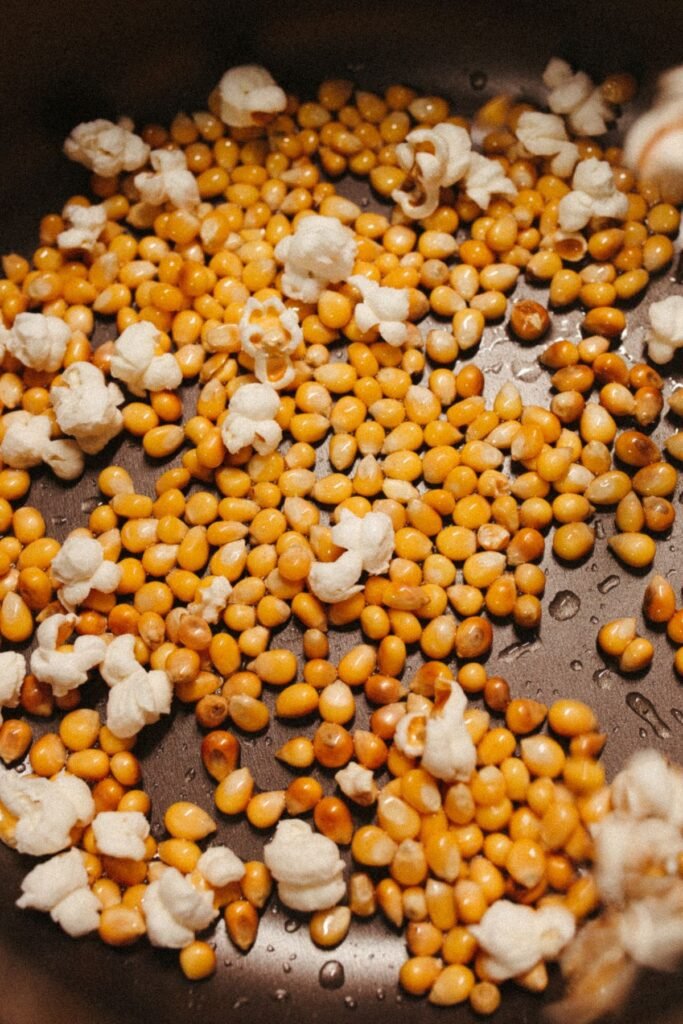
Each popcorn kernel holds a small amount of moisture inside a hard, mostly waterproof hull. As the kernel heats up, that moisture turns to steam, and pressure builds inside the shell because the hull won’t let the steam escape gradually. Once the pressure gets high enough – around 135 psi – the hull ruptures all at once, turning the starchy interior inside out into the fluffy shape we recognize as popcorn. It’s a purely physical reaction, and it’s why only certain corn varieties with the right hull structure and moisture content will pop at all.
How Popcorn Became an American Snack
Popcorn’s rise as a commercial snack really took off in the late 1800s. In 1885, Charles Cretors, a Chicago candy store owner, invented the first steam-powered popcorn machine, which let street vendors pop corn fresh and sell it hot from mobile carts. The machine made popcorn cheap, fast, and portable – exactly what turned it from a home snack into a street-fair staple.
Popcorn and the Movies
Popcorn’s link to movie theaters actually started almost by accident. In the early 1900s, many theater owners saw popcorn as messy and refused to sell it. That changed during the Great Depression, when popcorn’s low cost – often just five or ten cents a bag – made it one of the few treats people could still afford. Theaters that added popcorn stands stayed profitable even as ticket sales dropped, and by the 1930s, popcorn and movies had become permanently linked.
Popcorn Today
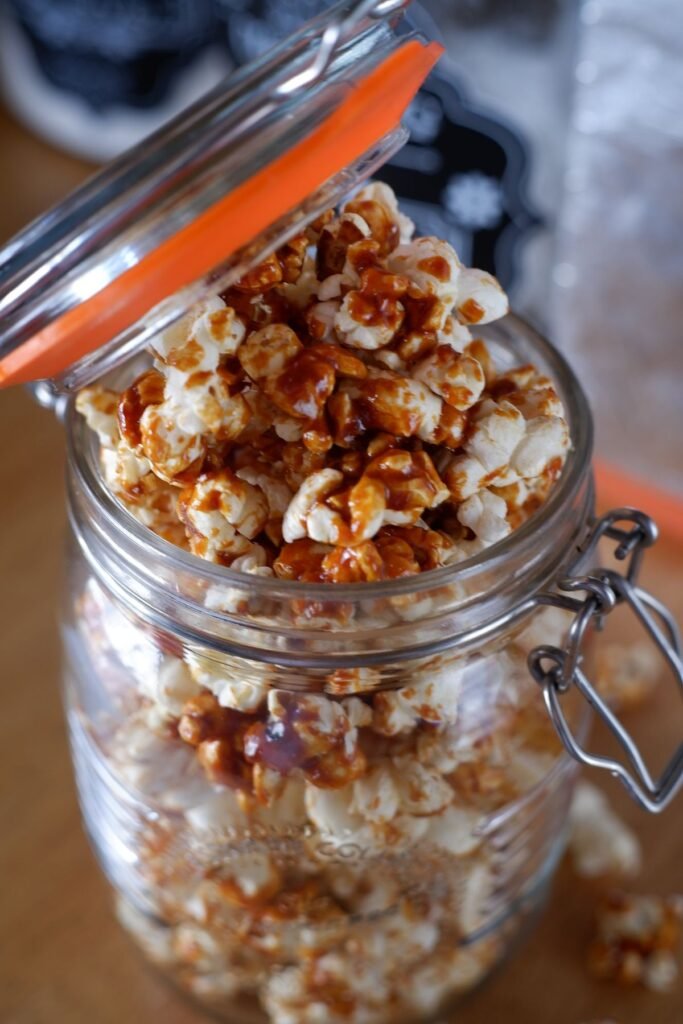
What started as a handful of popped kernels at a ceremony thousands of years ago now shows up caramelized, cheesed, kettle-cooked, and flavored dozens of different ways. The method has barely changed – heat, pressure, and a hull that finally gives way – but the ways people dress it up keep multiplying.
Related searches
More in Baking Tips
What Is the Difference Between Baking Powder and Baking Soda?
They look nearly identical, but baking powder and baking soda work completely differently. Here's the real…
Why Does My Cake Crack on Top?
A cracked cake top isn't always a mistake, but it's usually a clue. Here's why cakes…
Are Basque and San Sebastián Cheesecakes the Same Thing?
Short answer: yes. Here's why Basque cheesecake and San Sebastián cheesecake are the exact same dessert,…