Who Invented Salted Caramel?
Salted caramel feels timeless, but it was invented in 1977 by French chocolatier Henri Le Roux in Brittany. Here's who invented salted caramel and how it went global.
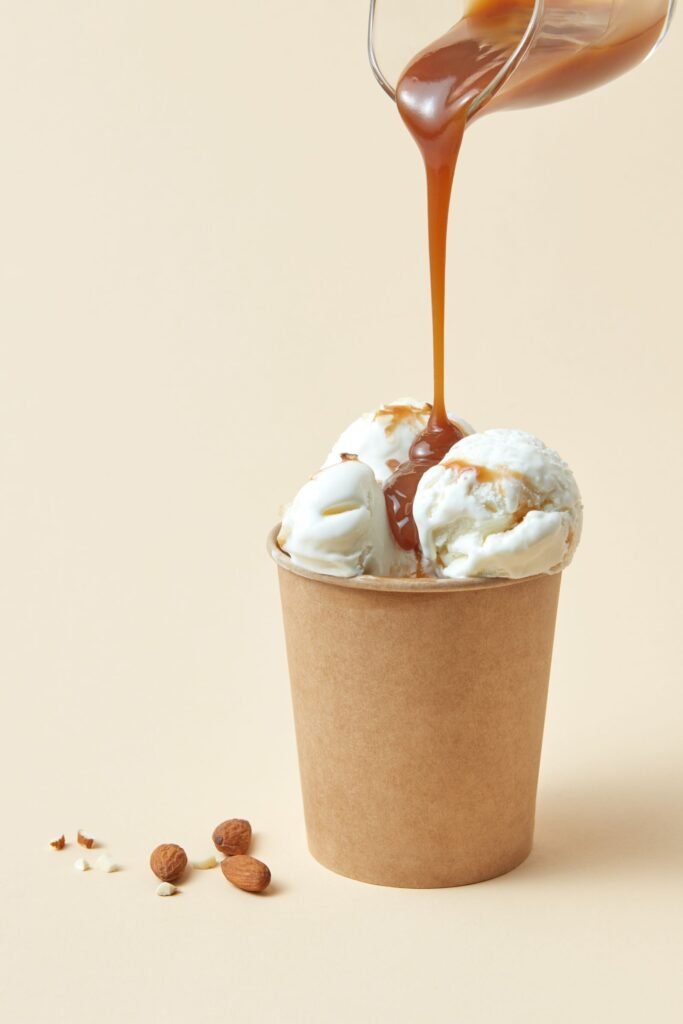
Salted caramel feels like it’s always existed – it’s on menus, in candy bars, and folded into everything from lattes to brownies. But who invented salted caramel is actually a question with a real answer, a real name, and a real date: it was born in a small shop in Brittany, France, less than fifty years ago.
The Accepted Origin Story: Henri Le Roux, 1977
Most food historians credit French chocolatier Henri Le Roux with inventing salted caramel in 1977, in the town of Quiberon on Brittany’s coast. Le Roux combined the region’s prized salted butter with a classic caramel base to create what he called Caramel au Beurre Salé – caramel with salted butter, often shortened to CBS. In 1980, it won the prize for Best Confection in France at a Paris dessert show, and the name and the recipe have stayed linked to him ever since.
Why Brittany? The Salted Butter Tradition
Le Roux didn’t invent salted butter – he applied a centuries-old regional habit to a new dessert. Under France’s old salt tax, the gabelle, Brittany was exempt, so salt stayed cheap and plentiful there while it was heavily taxed almost everywhere else in the country. Bakers and dairy producers in Brittany used salt in butter both as a preservative and, over time, as a flavor people simply grew to expect. By the time Le Roux started experimenting with caramel, salted butter wasn’t a novelty in Brittany – it was just how butter tasted.
From Local Curiosity to Global Trend
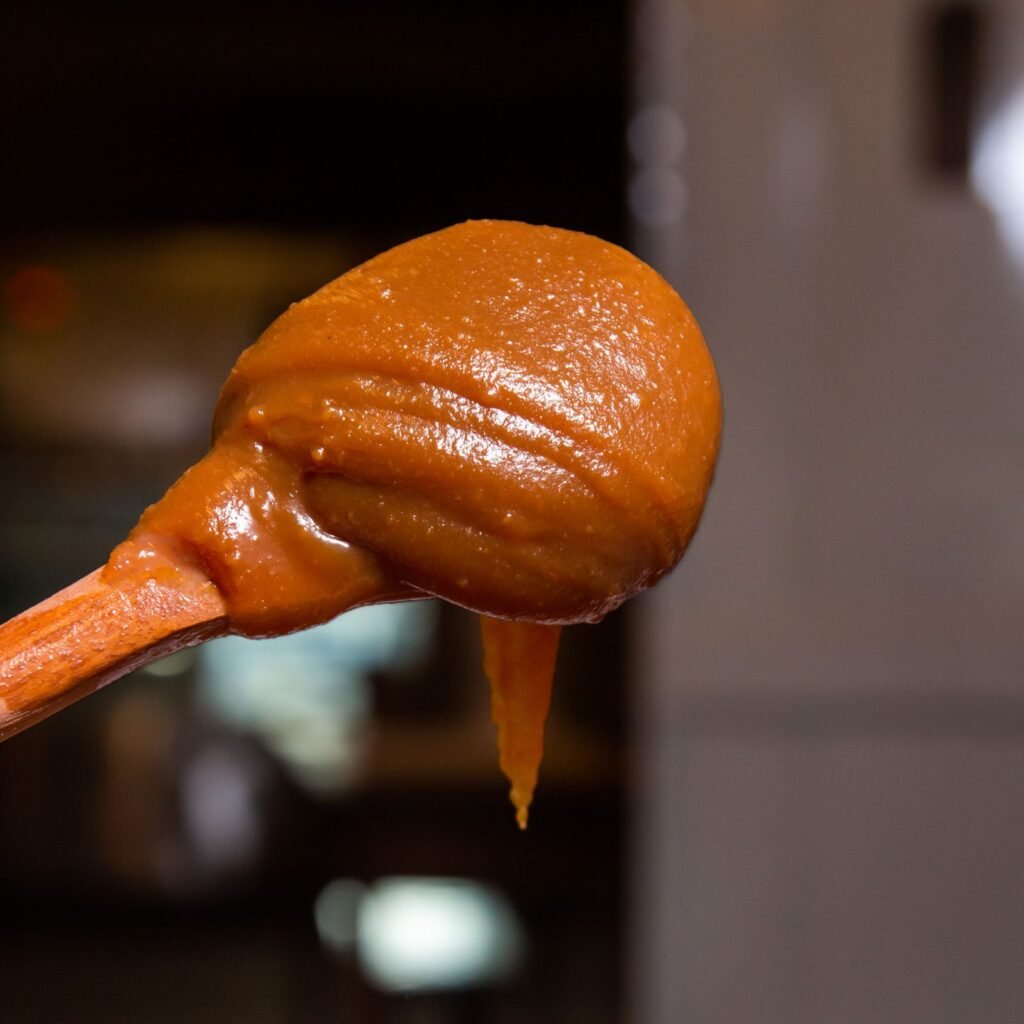
For almost two decades, salted caramel stayed mostly a Breton specialty. That changed in the 1990s and early 2000s, when high-profile Parisian pastry chefs – most notably Pierre Hermé – began putting salted caramel into macarons and other showcase desserts, introducing it to a national and then international audience. American coffee chains and dessert brands picked it up through the 2000s, and by the time salted caramel lattes and candies became mainstream in the early 2010s, most people had no idea the flavor traced back to one chocolatier’s shop on the Brittany coast.
The Science: Why Salt Makes Caramel Taste Better
Salted caramel isn’t popular by accident. A small amount of salt suppresses caramel’s bitter notes and heightens the perception of sweetness, while also adding a savory contrast that keeps each bite from tasting one-note. That contrast – sweet against salty – is part of why salted caramel reads as more complex and more “grown-up” than plain caramel, even though the technique behind it is simple.
How to Taste the Original Today
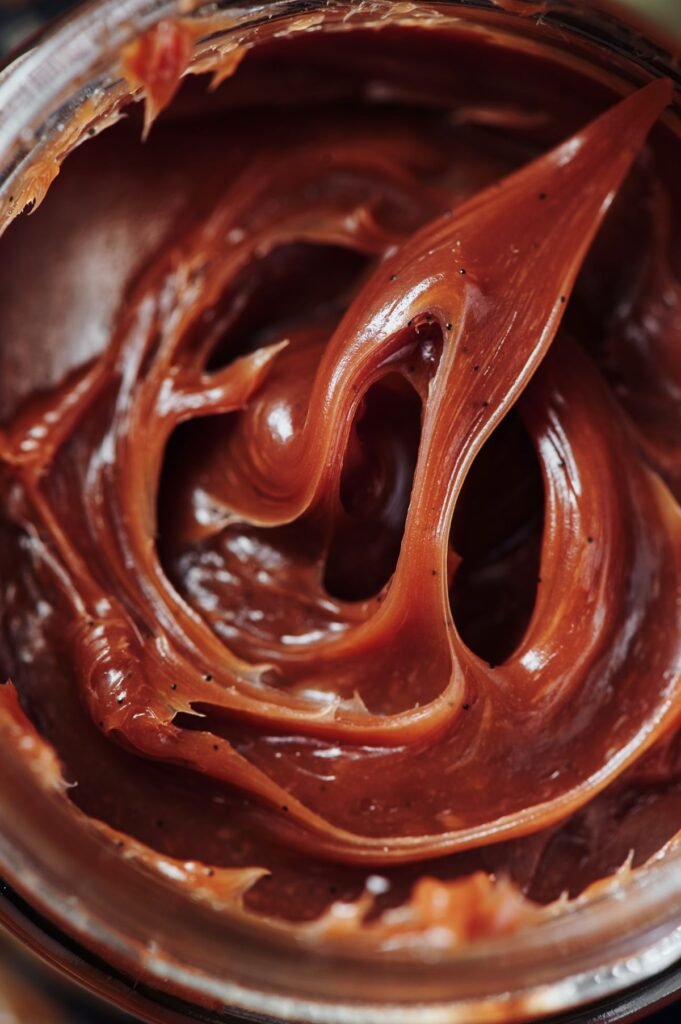
Henri Le Roux’s shop in Brittany still sells his original caramels, and his CBS recipe remains the benchmark against which most other salted caramel is measured. You don’t need a trip to France to get close, though: a good homemade salted caramel sauce – cream, butter, sugar, and flaky sea salt like fleur de sel – will get you most of the way to what made Le Roux’s version famous in the first place.
Related searches
More in Baking Tips

What Is the Difference Between Baking Powder and Baking Soda?
They look nearly identical, but baking powder and baking soda work completely differently. Here's the real…
Why Does My Cake Crack on Top?
A cracked cake top isn't always a mistake, but it's usually a clue. Here's why cakes…

Where Did Popcorn Come From?
Popcorn feels like a modern snack, but its story goes back roughly 6,700 years. Here's where…