Basque Burnt Cheesecake
The cheesecake that wants to be burnt. No crust, no water bath, no fuss - just cream cheese, eggs, cream, and sugar baked at high heat until the outside is deeply caramelized and the center is barely set and trembling.
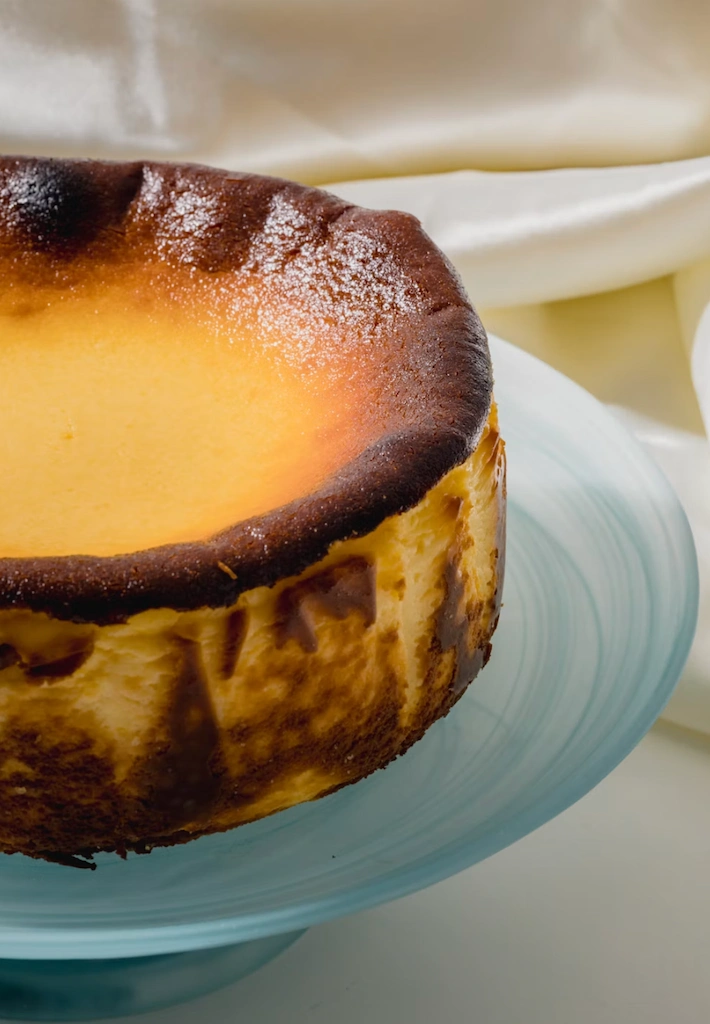
The Basque cheesecake came from a small restaurant called La Vina in San Sebastian in the early 1990s, and for about twenty years it was mostly a local thing. Then the internet found it. The appeal is obvious: it looks dramatic, it behaves nothing like a traditional cheesecake, and it is easier to make than almost any other cake in this category.
The defining feature is the exterior – deeply caramelized, almost burnt, the kind of colour that would make you pull most cakes out of the oven in a panic. Here, it is the point. The high heat and the high sugar content in the batter drive the outside into full caramelization while the center stays barely set, creamy, and almost custardy. The contrast between the bitter, toasty exterior and the rich, lightly sweet interior is what makes the whole thing work.
The ingredient list is short: cream cheese, sugar, eggs, heavy cream, and a small amount of flour to give a little structure. Full-fat cream cheese is not optional – reduced-fat versions have a different water content and will produce a wetter, less stable filling that does not set properly at the center. The same logic applies to the cream; single cream will give you a thinner, less rich result. Use double cream or heavy whipping cream.
There is no crust, no water bath, no careful greasing. You line the tin with two overlapping sheets of parchment paper, crumpling them loosely so they follow the shape of the tin with wrinkles – those wrinkles become part of the look of the finished cheesecake. The oven temperature is high, 220C or above, which would be alarming for a New York cheesecake but is exactly right here.
A reliable swap: a tablespoon of lemon zest added to the batter gives a bright note that cuts through the richness very well. A teaspoon of vanilla is more neutral and works equally well. Some versions use cornstarch instead of flour – the center comes out slightly more gelatinous than custardy, which is a matter of preference.
The most common mistake is pulling the cheesecake too early. The center should wobble significantly when you shake the tin – not slosh like liquid, but move as a single mass, like a very loose panna cotta. It will look frighteningly underdone. It is not. It will firm to the right texture as it cools. Give it at least two hours at room temperature, then refrigerate overnight and bring back to room temperature before serving – cold Basque cheesecake loses the custardy quality that makes it worth making.
If you are working through cheesecakes, try Classic Philadelphia Cheesecake for the comparison – same ingredients, completely different intention. And Fig-Hazelnut Cheesecake is worth trying if you want something between the two.
Ingredients for Basque Burnt Cheesecake
- 900g (2 lbs) full-fat cream cheese, at room temperature
- 250g (1 1/4 cups) granulated sugar
- 5 large eggs, at room temperature
- 300ml (1 1/4 cups) heavy whipping cream
- 2 tablespoons all-purpose flour
- 1 teaspoon vanilla extract
- 1/4 teaspoon fine salt
How to Make Basque Burnt Cheesecake
-
1
Preheat the oven to 220C (425F). Line a 23cm (9-inch) springform tin with two overlapping sheets of parchment paper, pressing and crumpling the paper to fit up the sides with at least 5 cm (2 inches) extending above the rim. The wrinkles are intentional - do not smooth them out.
-
2
Beat the cream cheese and sugar together in a large bowl until completely smooth with no lumps - about 3 minutes on medium speed with a hand mixer or stand mixer.
-
3
Add the eggs one at a time, beating well after each addition and scraping down the sides of the bowl as needed.
-
4
Add the heavy cream, vanilla, and salt and mix on low until just combined.
-
5
Sift in the flour and fold gently with a spatula until no dry streaks remain. The batter will be very loose and pourable.
-
6
Pour the batter into the prepared tin and give it a gentle tap on the counter to release any large air bubbles.
-
7
Bake for 50 to 60 minutes, until the top is deeply caramelized and almost blackened in patches, and the center still wobbles significantly as a single mass when the tin is gently shaken. It will look dramatically underdone inside - this is correct.
-
8
Remove from the oven and allow to cool completely in the tin at room temperature for at least 2 hours. The center will sink slightly as it cools - this is normal.
-
9
Refrigerate for at least 4 hours or overnight for the cleanest slices. Bring to room temperature for 30 minutes before serving for the best texture and flavour.
-
10
Peel back the parchment carefully before slicing. Serve at room temperature.
Nutrition (per serving)
- Carbs 28g · 23%
- Protein 9g · 7%
- Fat 37g · 69%
Tips & FAQ
Why does Basque cheesecake look burnt - is that intentional?
What texture should a Basque cheesecake have inside?
Do I need to use a springform pan?
Can I make Basque cheesecake ahead of time?
What cream cheese should I use?
More Cheesecakes
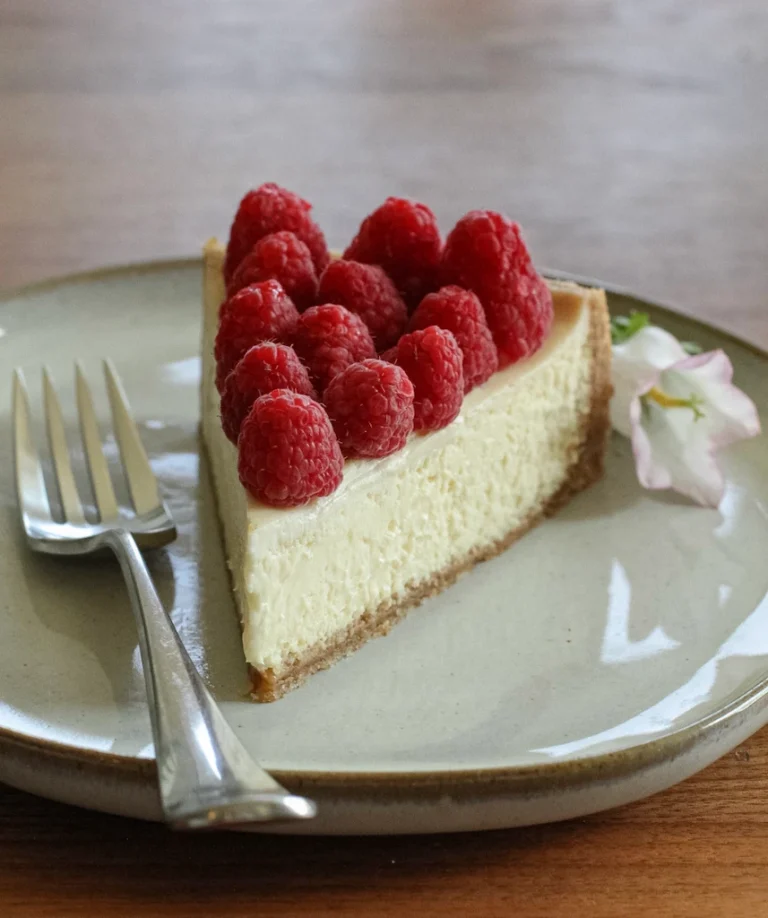
Classic Philadelphia Cheesecake
Tall, dense, and perfectly smooth - the classic American cheesecake made with cream cheese, sour cream, and a buttery graham cracker crust. Rich without being heavy, and exactly what a cheesecake should be.
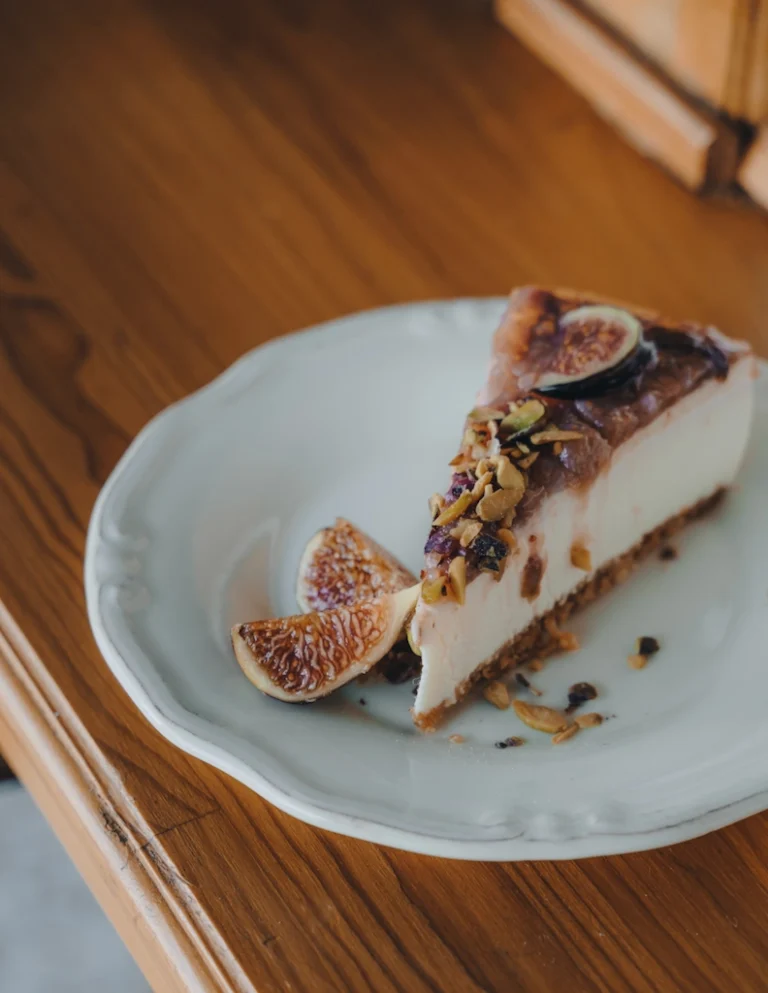
Fig-Hazelnut Cheesecake
A creamy, lightly sweetened cheesecake on a toasted hazelnut crust, topped with fresh figs and a drizzle of honey. Elegant enough for a dinner party, simple enough for a long weekend afternoon.
Related searches